Why This Fails Locally
The drive from Leesburg to South Riding runs about 14 miles, and that number shapes more than the truck's route. It means a tech isn't swinging by on a whim between two other jobs on the same block - a maintenance visit here gets planned, not squeezed in. That's worth knowing before you call, because it changes how you should think about scheduling: batching a tune-up with a spring check or opener inspection makes more sense here than it would for a job five minutes away.
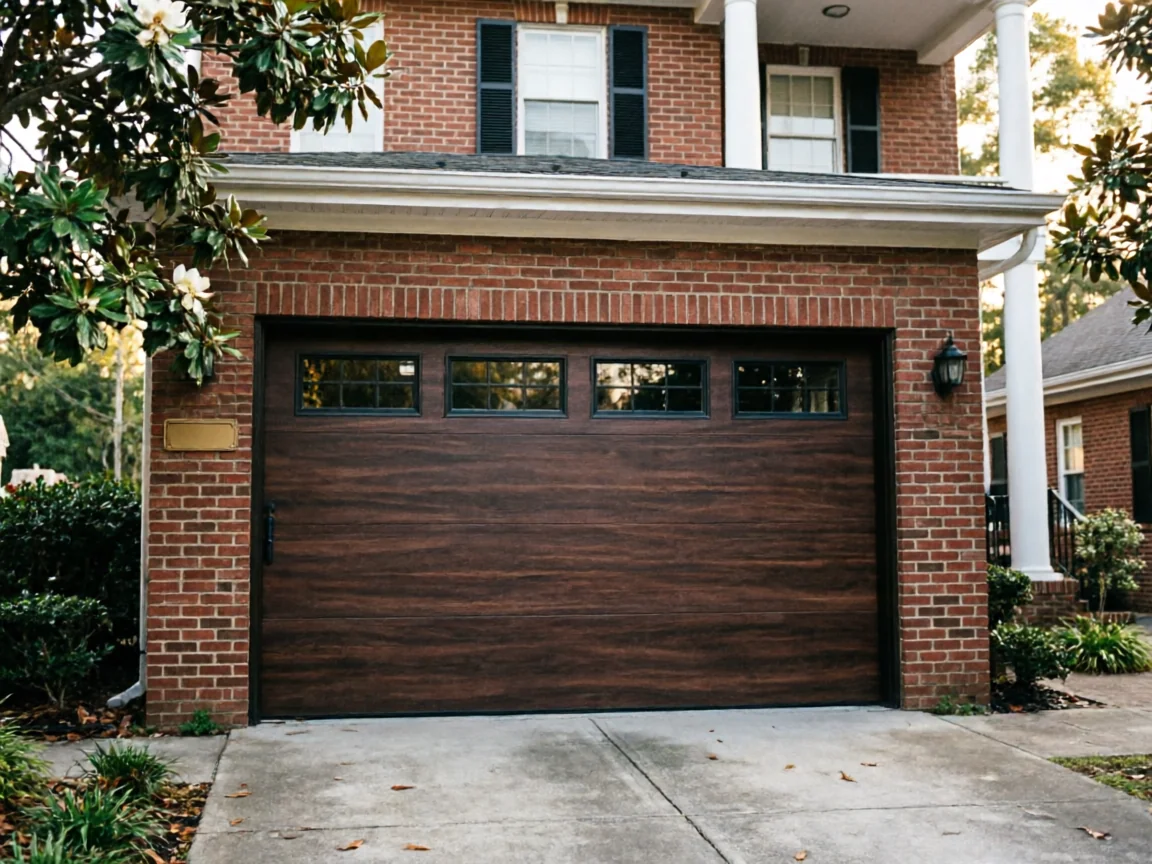
The other thing the distance hides is what's waiting on the other end of it. Housing across the wider Leesburg service area has a median build year of 1986, with a lot of it dating back to 1938. South Riding doesn't fit that pattern - the median year built here is 2006. That's two decades newer, and it means different track hardware, different opener mounts, and door panels that haven't had thirty years to sag, rust, or work their cables loose the way older stock has. A maintenance routine built around 1980s torsion hardware is the wrong routine for a door that's barely into its second decade.
Where This Job Goes Sideways
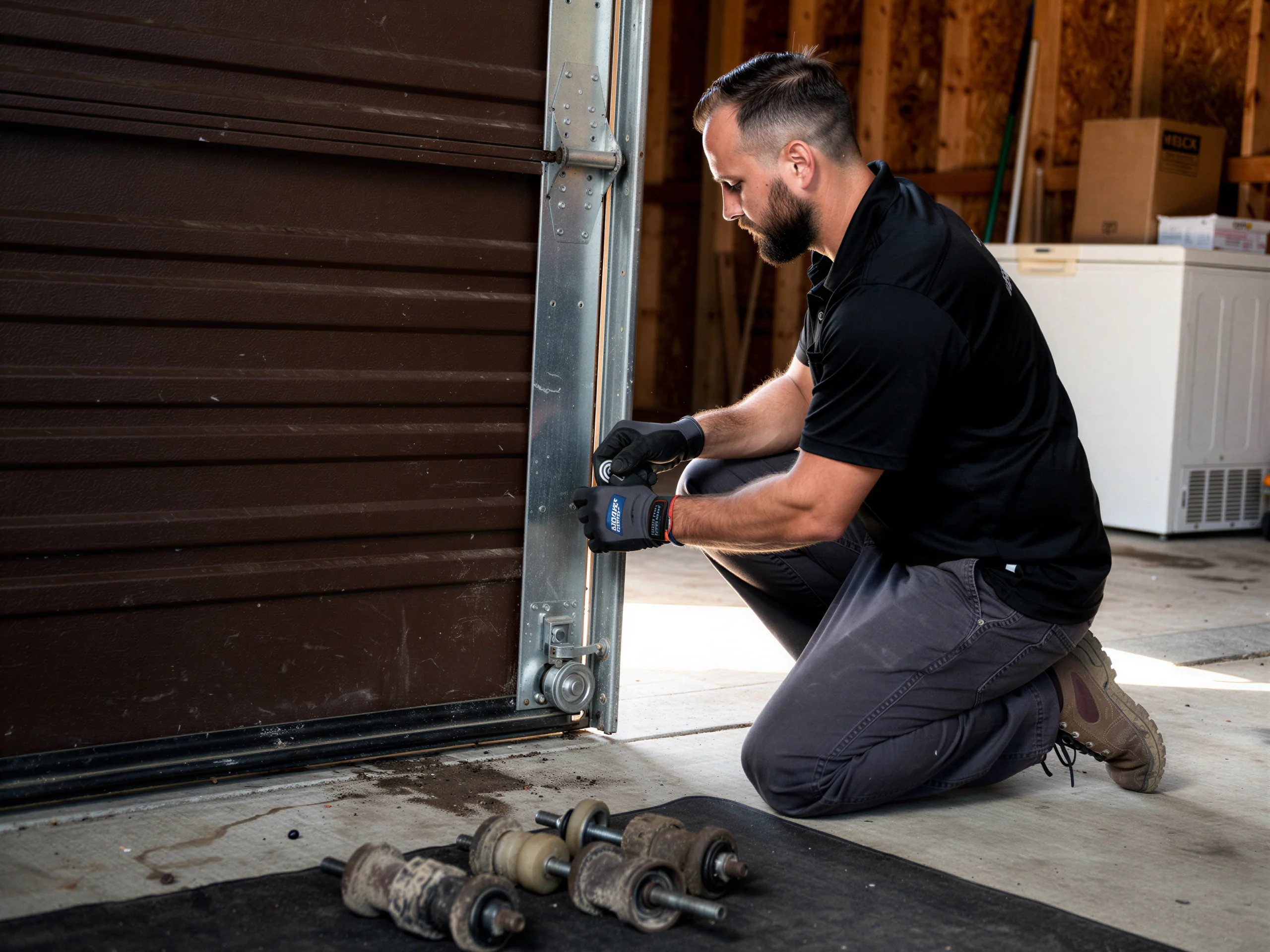
Newer doesn't mean maintenance-free, and this is where a lot of owners get surprised. A door installed in the mid-2000s is old enough now that the factory lubrication on rollers and hinges has long since dried out, and the opener's gears or belt are into the range where wear starts to show - but the door still looks new enough that nobody's thought to check it.
Dry rollers seize
That gap between looks and condition is exactly where things go sideways: a roller that's been dry for two years doesn't announce itself until it seizes mid-cycle. The area also sits in a cold, severe winter climate zone.
Cold exposes dry hardware
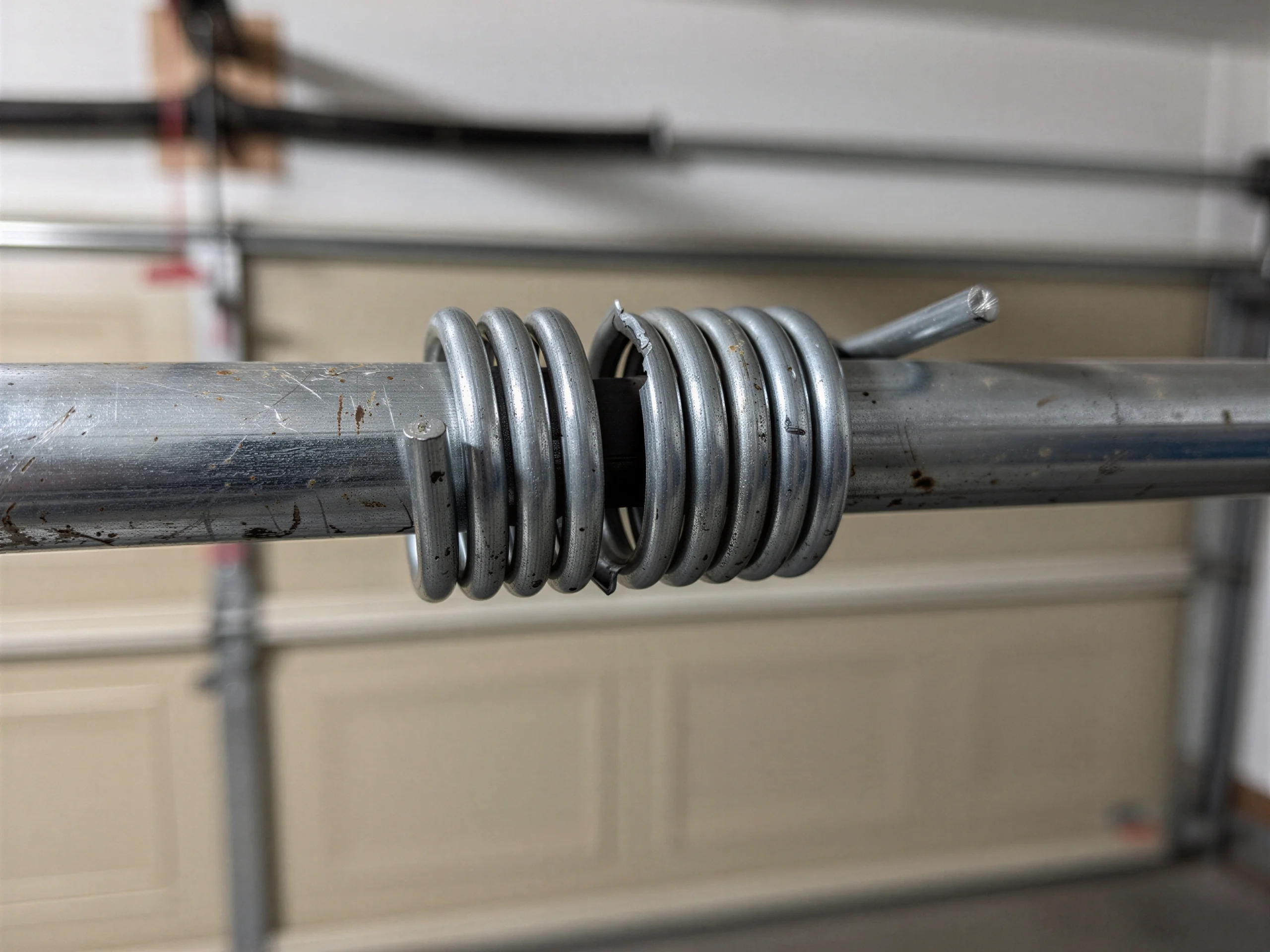
On a 2006-era door that's never seen a lubrication service, cold snaps are what expose dried-out hardware - a spring that's lost tension, a track that's picking up frost, an opener sensor that's drifted out of alignment.
Stacked small issues
None of that is dramatic on its own, but stacked together on a door nobody's touched since it was installed, it adds up fast. We don't push maintenance plans on doors that genuinely don't need them yet; if a door's hardware checks out clean, we'll tell you that and charge you for the visit, not a service contract.
Getting It Booked In
Because the job travels from Leesburg, booking maintenance here works best when you're not trying to fit it around a same-day emergency. Household income in this part of the service area runs higher than the broader Leesburg median - $190,701 against the wider area's $176,841 - and across roughly 10,429 households here, that tends to mean more owners choosing to stay ahead of a problem with a scheduled check rather than waiting for a cable to snap on a Saturday.
Calmer than breakdowns
That's the honest case for maintenance on a newer door: it's cheaper and calmer than a repair call, and it's easier to plan when there's no breakdown forcing the timeline.
Same checklist, any age
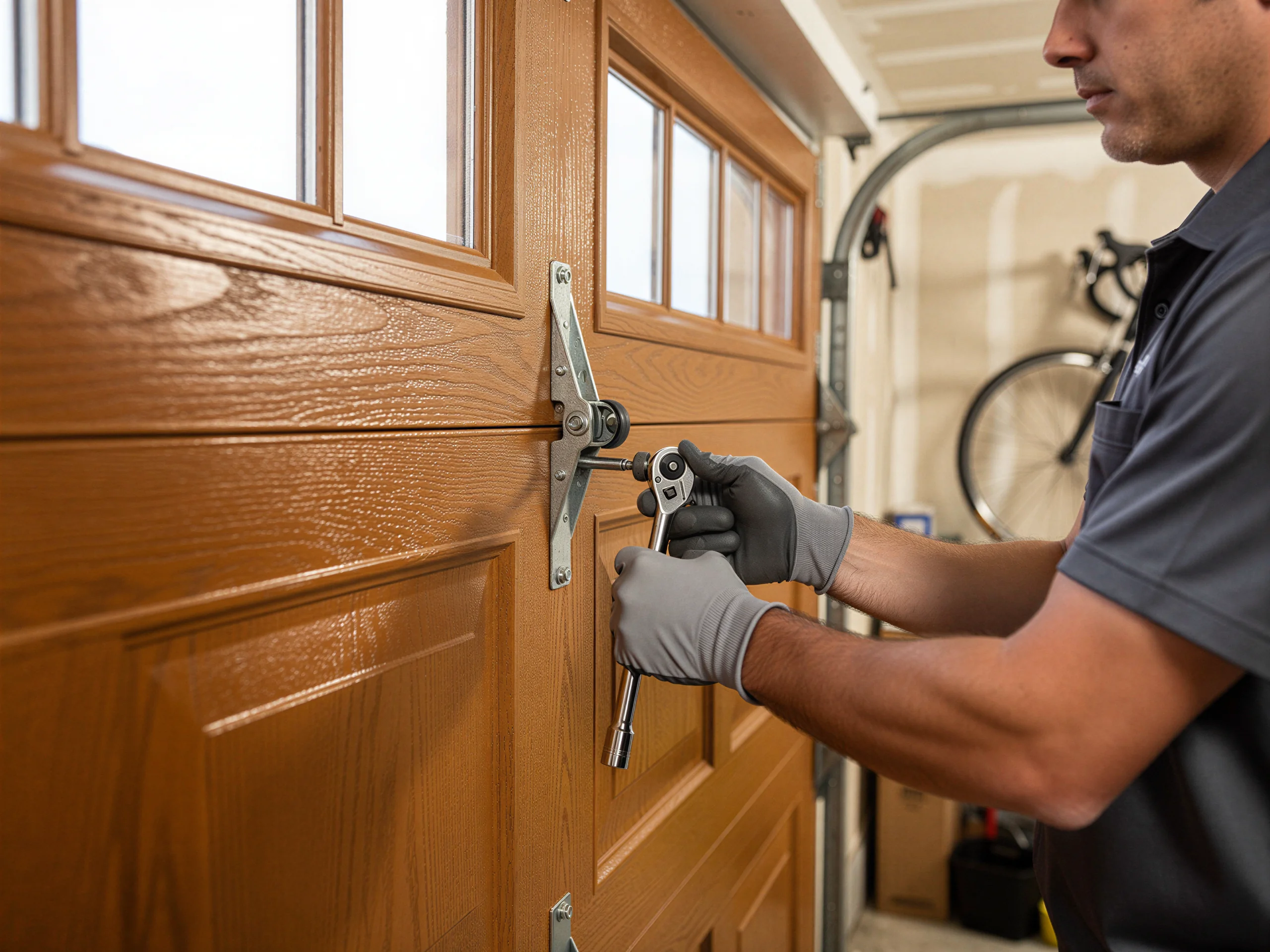
We'll check spring tension, roller and hinge wear, track alignment, and opener function - the list is the same regardless of the house's age, but what we find on a 2006-built door looks different from what turns up on 1980s stock, and that's what the visit is actually tuned to.
Compare service scope
You can see the service scope on the South Riding garage door service page, or compare it to the broader Leesburg maintenance page if you're weighing options for a different property.
What You Are Seeing
If your door is newer, a few signs matter more than others. A roller that chatters or squeals on a door installed in the 2000s is almost always dried-out lubrication, not a structural problem - an easy fix if it's caught early, a track-damaging one if it's ignored through a full cold season.
Reversing partway closing
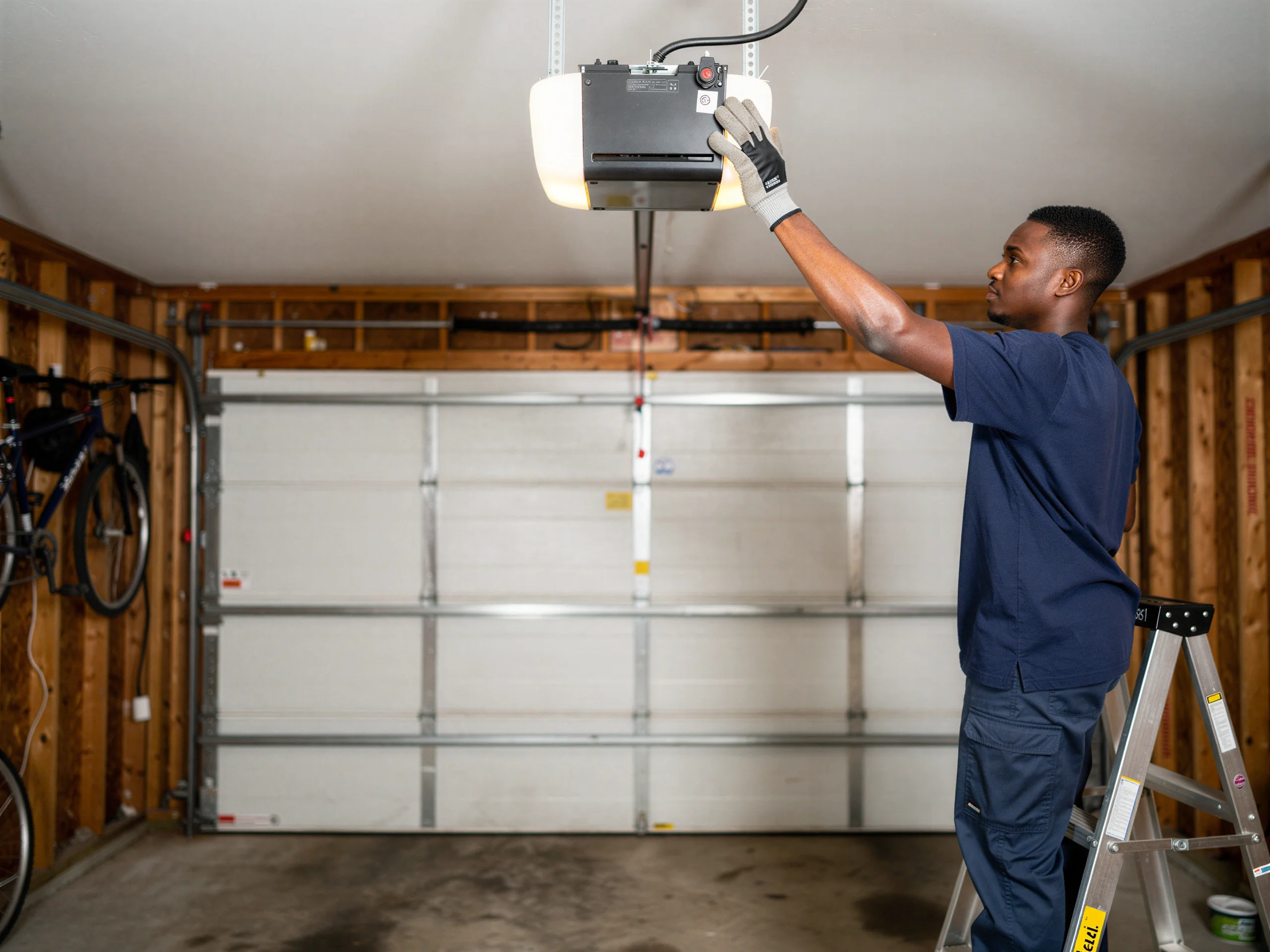
An opener that's started reversing partway through closing, or taking longer to respond to the remote, is usually a sensor or gear issue that shows up right around this age bracket, not a sign the whole unit needs replacing.
Out-of-pattern wear
What you shouldn't see yet, on a door this age, is cable fraying or spring sag - those are wear patterns from older stock, and if you're seeing them on a house built around 2006, something's off, whether that's a manufacturing issue or a door that's seen heavier-than-normal use.
Call before winter
That's worth a call specifically because it's out of pattern for the area's housing. We'll tell you straight if what you're describing sounds like routine wear for a door this age or something that needs a closer look before winter sets in.
Talk to a local pro
Garage door service in Leesburg?
Same-day service with honest, upfront quotes.