
 Garage Doors in a Town Built Across Eight Decades
Leesburg homes range from 1938 to 2015 builds.
When a Spring Goes in Cold Weather in Leesburg
Leesburg homes built mostly in the 1980s and 90s are hitting the age where torsion springs fail, and a hard freeze is what finally makes a tired spring let go.
Local detail
What the Weather Here Does to It
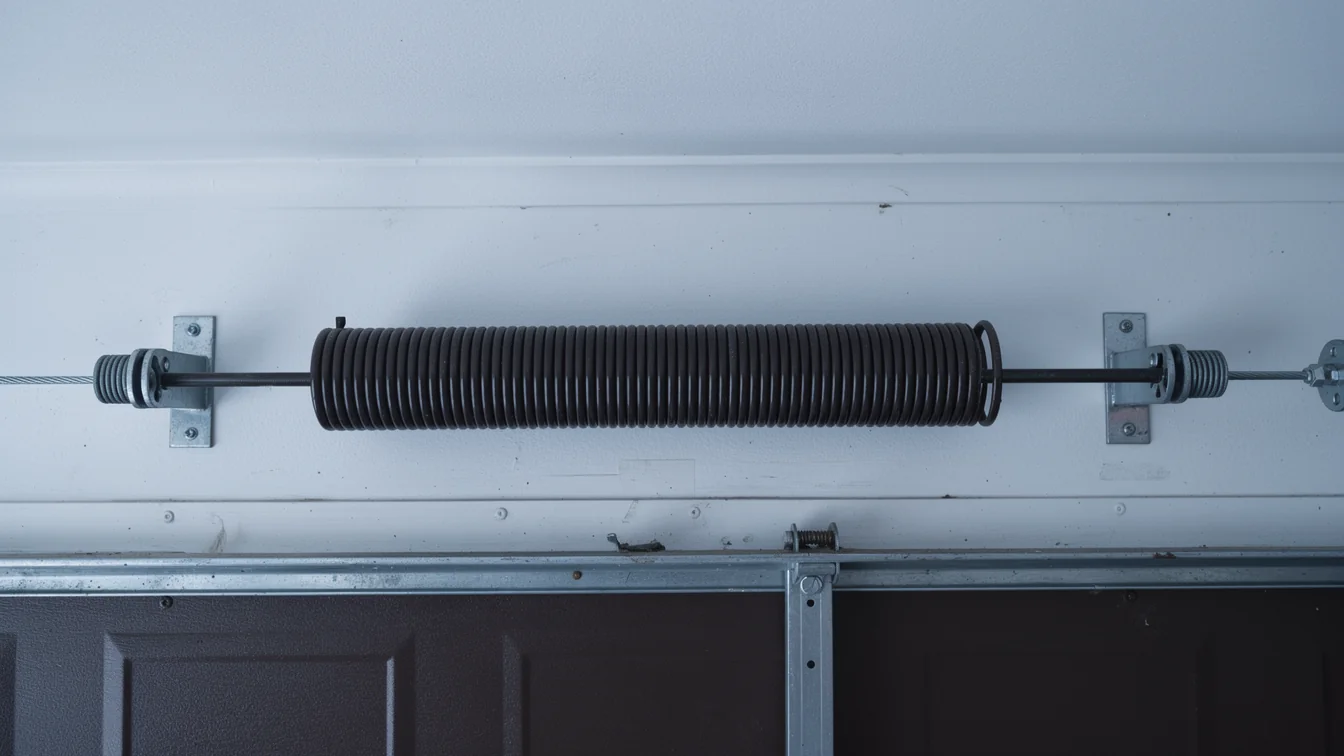
Leesburg sits in a climate zone classed as cold and severe, which means winter isn't just a few frosty mornings - it's stretches of sustained sub-freezing temperature that work on steel. A torsion spring is wound tight and holds that tension year-round, but cold steel is less forgiving steel. It loses a measure of flex, and the same number of door cycles that it shrugged off in July start putting more strain on the coil in January. That's why the failures cluster hard in winter here: the spring was already near the end of its coil life, and the cold is what pushes it past the point where it can flex instead of snap. You'll hear it as a loud bang from the garage, usually first thing in the morning when the door's been sitting cold all night. It's not a sign anything else went wrong. It's just a spring that was due.
The area
What Is Going On
Housing in this area spans 1938 to 2015, but the median build year lands around 1986, and most of the stock across the thirteen named areas we see work in went up in that 1980s-to-90s run. That matters because torsion springs have a rated cycle life, and a spring installed when a house was built in, say, 1988 is now well past the point where most springs give out - torsion springs typically don't last forever regardless of use, and a lot of this housing is sitting on original or first-replacement hardware. So what's going on in a lot of these calls isn't bad luck. It's a 1980s or 90s door that's had thirty-plus winters to wear down a spring, now meeting a cold snap that tips it over. If your house falls in that build window and nobody's touched the spring, it's not a question of if, more a question of which cold morning.
What we find
Season by Season
Late fall is when we'd rather see a door than after the first hard freeze - a spring that's fraying or losing its finish will usually show some warning before a cold night takes it out completely, but only if someone looks. Deep winter is when the breaks cluster, for the reasons above: cold steel under tension, plus a door that's being cycled on a near-frozen track. Spring thaw brings a different problem - moisture and temperature swings can work on rollers and hardware that got brittle over the winter, so a door that survived January sometimes shows its wear in March. Summer is comparatively quiet for spring failures here; it's the one season where cold isn't doing the stressing. Given how consistently the pattern follows the cold band, a fall check costs you a lot less than a broken spring and a car stuck in the garage on a freezing morning.
How we work
What It Costs
We're not going to put a number on this page, because a spring job isn't one price - it depends on spring size, whether it's a single door or a double, and whether the drums or cables are also worn, which is common on original hardware from this build era. What we can tell you is that a stuck cold-morning spring call is not the time to find out your opener bracket or track also needs attention; a straightforward spring swap is a different job and a different bill than one where the cold has also warped a track or cracked a panel. Given the median household income in this service area, most owners here are replacing rather than patching when a torsion spring goes, since a cheap repair on a thirty-year-old spring setup rarely holds through a second cold winter. Ask for the breakdown on the call - size, count, and whether your opener needs recalibrating after - rather than a flat number over the phone.
Questions
Common questions
Why did my spring break overnight instead of while the door was in use?
Cold steel loses flex, and a tensioned torsion spring sitting through a sub-freezing Leesburg night is under the same load it carries all day, just colder and less able to absorb it. The first cycle of the morning, pulling on a coil that's already near the end of its life, is often what finally snaps it - not anything you did.
My house was built in the late 1980s - is my spring original?
A lot of houses in this area's 1980s-90s build wave are still running first-generation or first-replacement torsion springs. If nobody's swapped yours, it's well past typical cycle life, and winter is when that catches up with it.
Can I just replace one spring if I have two?
You can, but on a door that's thirty-plus years old, the second spring is usually close behind on wear. We'd rather tell you that up front than have you call us back in a few cold weeks when the other one lets go.
Is a broken spring an emergency?
It means the door won't open safely under power, so treat it as urgent, not as something to leave over a cold weekend. Don't force the opener on a door with a broken spring - that's how you damage the opener too.
Recommendation
You Might Also Like
More garage door guides for Leesburg homeowners.
Garage Doors in a Town Built Across Eight Decades
Leesburg homes range from 1938 to 2015 builds.
 What an Older Garage Door in Leesburg Is Really Worth Fixing
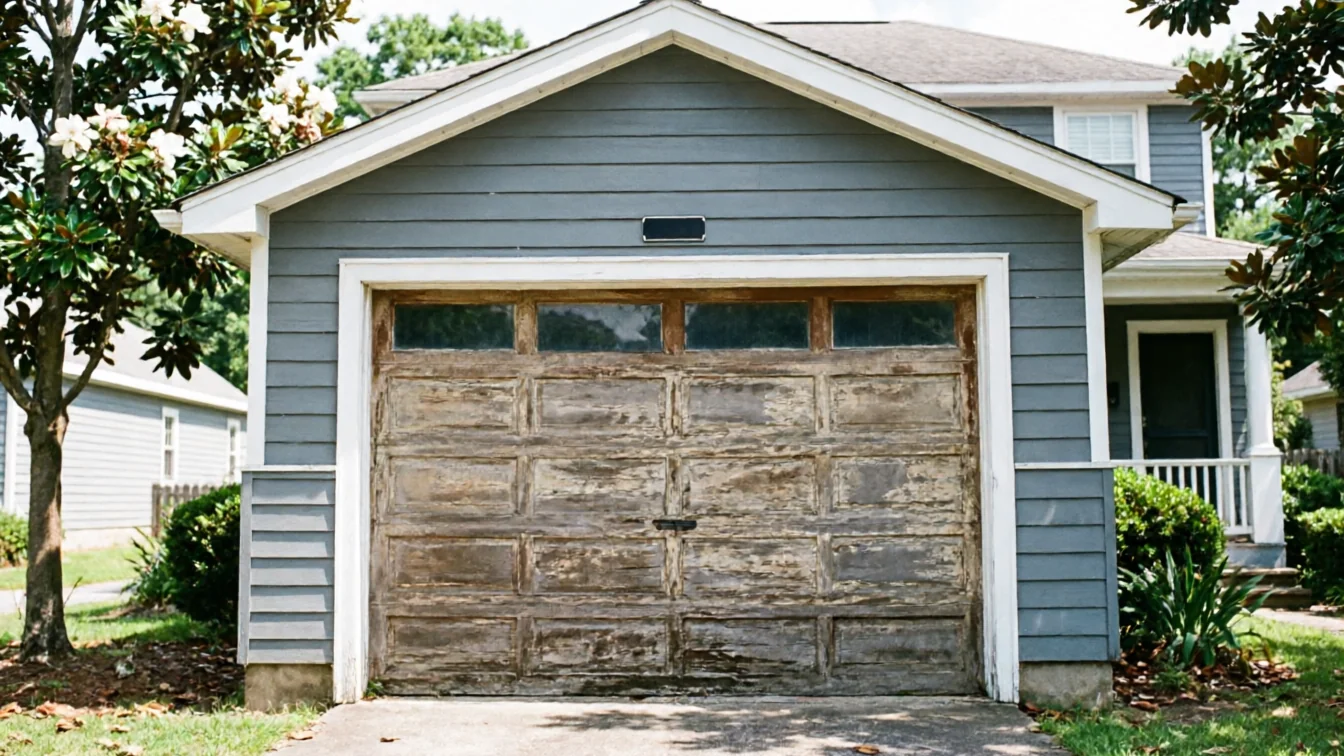
Leesburg homes mostly date to the 1980s and 90s, built for lighter winters than this region now sees.
 Openers and Power Cuts in Leesburg Homes
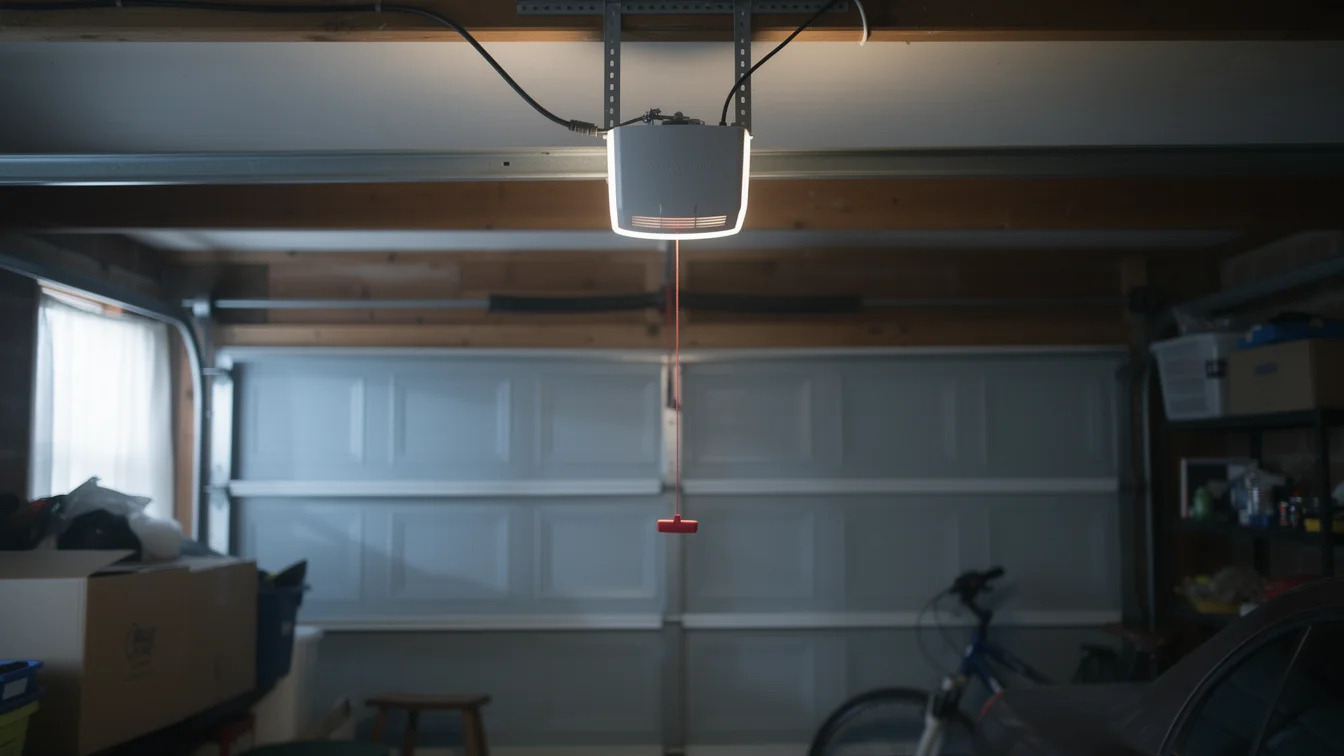
How Leesburg's cold winters and 1980s-90s opener stock combine to cause power-cut lockouts, and what it actually costs to fix or back up an opener here.
Ready when you are
Need a garage door sorted in Leesburg?
Leesburg Garage Door Pros repairs and installs garage doors, springs and openers in Leesburg, VA and the surrounding area.