
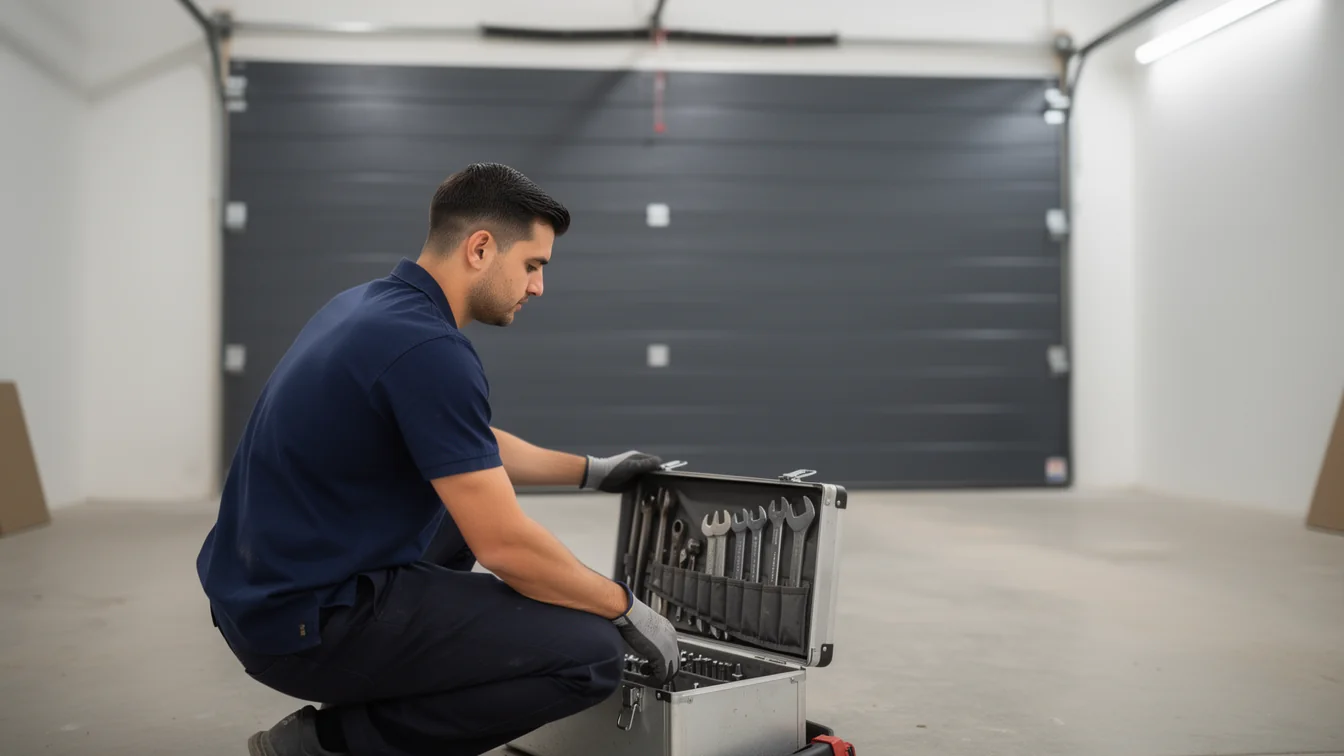
 What a Garage Door Service Call Covers in Leesburg
A look at what a Leesburg Garage Door Pros service call covers, tied to the area's 1938-2015 housing stock, cold-severe winters, and the hardware generations that come with both.
That Noise Your Garage Door Is Making Isn't Random
A Leesburg homeowner's guide to garage door noises, tied to this area's housing stock and cold winters - what's normal, what's a warning, and what it costs to fix.
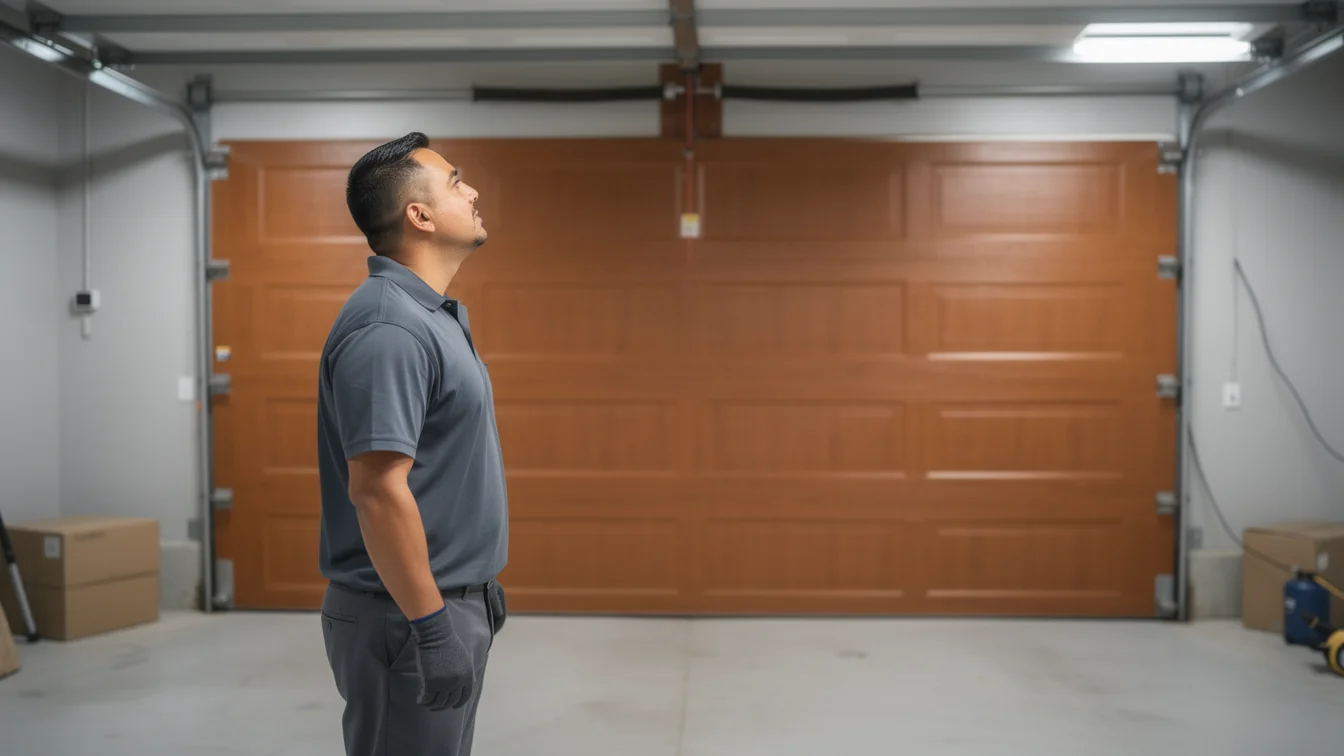
Local detail
What the Weather Here Does to It
Leesburg sits in a cold-climate band with severe winter swings, and that's hard on a garage door in ways that don't show up in summer. Steel torsion springs lose a little tension every time the temperature drops hard, then regain some of it as things warm up - that cycling is what eventually snaps a spring on a January morning instead of a July afternoon. Nylon rollers get brittle in the cold and start grinding instead of rolling smooth, which is one of the first noises owners notice. Track bolts that were torqued down in a 70-degree garage in October can work loose by February as the steel contracts and expands around them. None of this is Leesburg being unusual - it's just what a severe cold climate does to any door, and it's worse on older torsion hardware than on newer extension setups. If your door has started groaning on the way up only in the last month or two, and the thermostat's been swinging, that's not a coincidence. It's the cold finding the weak point in whatever's already a little worn.
The area
What Is Going On
Housing in this area was built mostly between 1938 and 2015, with the bulk of it going up in the 1980s and 90s across the thirteen named communities we cover - Waterford, Purcellville, Brambleton, Aldie, and the rest. That matters because a door's age usually tracks the house's age, and a door and opener installed in, say, 1988 is now well past the point where a squeak is cosmetic. A rhythmic thump means a flat spot on a roller or a bent track section, not just "needs oil." A sharp bang followed by the door refusing to lift is almost always a broken torsion spring - common on 80s and 90s stock because the springs were never replaced on the original cycle count. A grinding sound low on the track usually means a roller bearing has seized. A high-pitched squeal near the top is often the opener's drive gear, which wears out faster on chain-drive units from that era than on the belt-drive units going into newer builds. None of these noises fix themselves, and none of them are the door being old just for old's sake - each one points to a specific part that's failing.
What we find
Season by Season
Fall is when loose track bolts and drying lubricant start to show up as new noise, right as the cold snaps begin and steel starts contracting. It's the easiest season to catch a problem cheap, because the parts usually just need tightening or lubricating, not replacing. Winter is when a weakened torsion spring actually lets go - severe cold cycling is the stress that finishes off a spring that was already near the end of its life, and it tends to happen on the coldest mornings when the door's asked to lift a few extra pounds of stiff, cold grease. Spring brings condensation inside tracks and openers that sat closed through winter, and that's when rust-seized rollers and corroded limit switches turn up. Summer is the quiet season here - fewer emergency calls, more routine work - because the swings in temperature that stress metal parts have settled down. If you're going to schedule a tune-up instead of waiting for something to break, late summer or early fall is the window, before the next cold cycle starts working on whatever's already loose.
How we work
What It Costs
We don't have a flat number to hand you here, and we'd rather tell you that than make one up. What a repair runs depends on whether you're looking at a roller, a cable, or a full spring replacement, and on whether your opener is an older chain-drive unit or something newer - parts availability and labor time both swing with that. What we can tell you is that most homeowners in this area, with household incomes that support real home maintenance rather than the cheapest patch available, end up choosing a proper spring or roller replacement over a stopgap fix, because the stopgap usually fails again within a season in this climate. One honest limitation: if your door and opener are both near the end of their service life, a repair quote can get close enough to a replacement that replacement is the better call - we'll tell you when we see it, not after we've already billed for the repair.
Questions
Common questions
Why does my garage door only make noise in the morning?
Cold metal behaves differently than warm metal. Overnight temperature drops tighten tolerances on tracks, rollers, and springs, so a part that's slightly worn will grind or thump in the cold morning air and then quiet down once the garage warms up through the day. It's usually a sign the part is close to needing attention, not yet an emergency.
Is a squeaky door just an easy fix?
Sometimes. A dry roller or hinge pin often just needs lubricant. But a squeal from the opener's drive gear, or a grinding sound from a bearing, usually means a part has already worn down and lubricant will only mask it for a week or two before the real noise comes back.
How old does a door have to be before noise means real trouble?
It's less about age on paper and more about cycle count and climate exposure. A door installed in the 1980s or 90s that's been through repeated cold-season stress is a much better candidate for spring or roller failure than a newer belt-drive setup, even at the same age in years.
Recommendation
You Might Also Like
More garage door guides for Leesburg homeowners.
What a Garage Door Service Call Covers in Leesburg
A look at what a Leesburg Garage Door Pros service call covers, tied to the area's 1938-2015 housing stock, cold-severe winters, and the hardware generations that come with both.
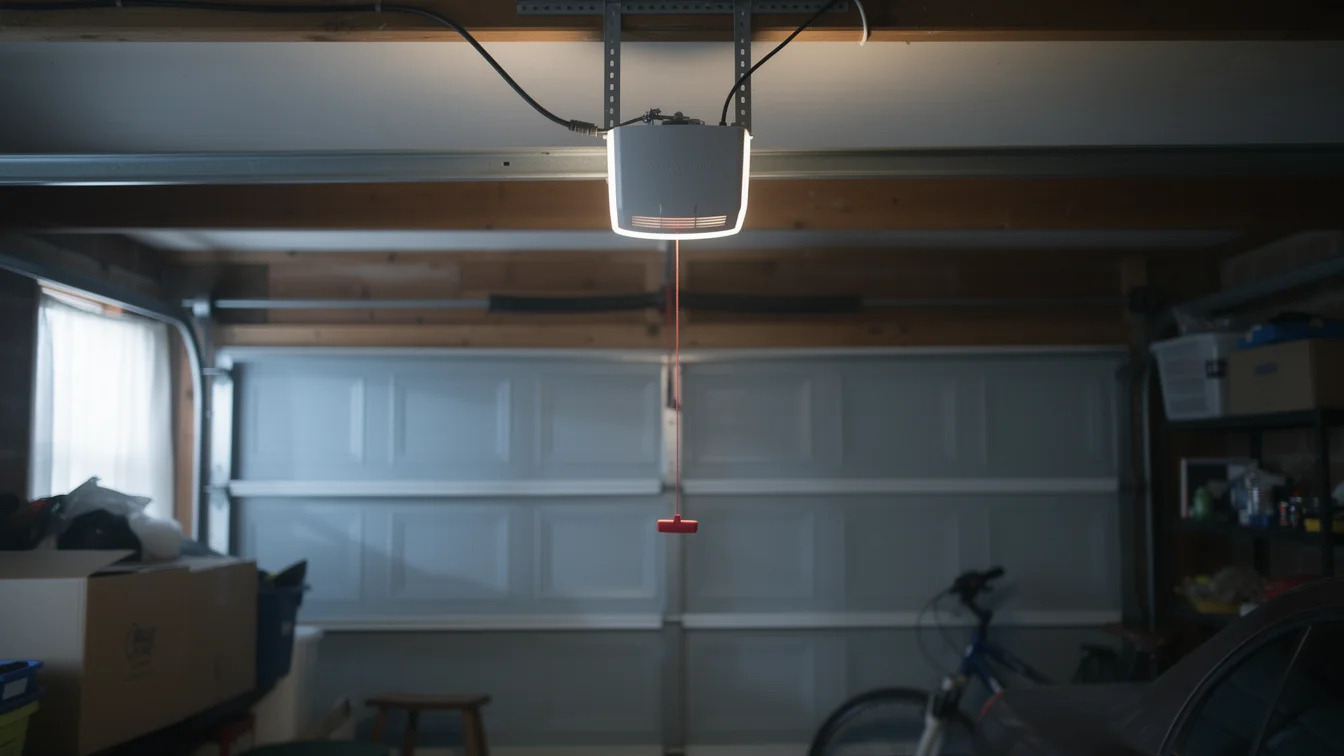 Openers and Power Cuts in Leesburg Homes
How Leesburg's cold winters and 1980s-90s opener stock combine to cause power-cut lockouts, and what it actually costs to fix or back up an opener here.
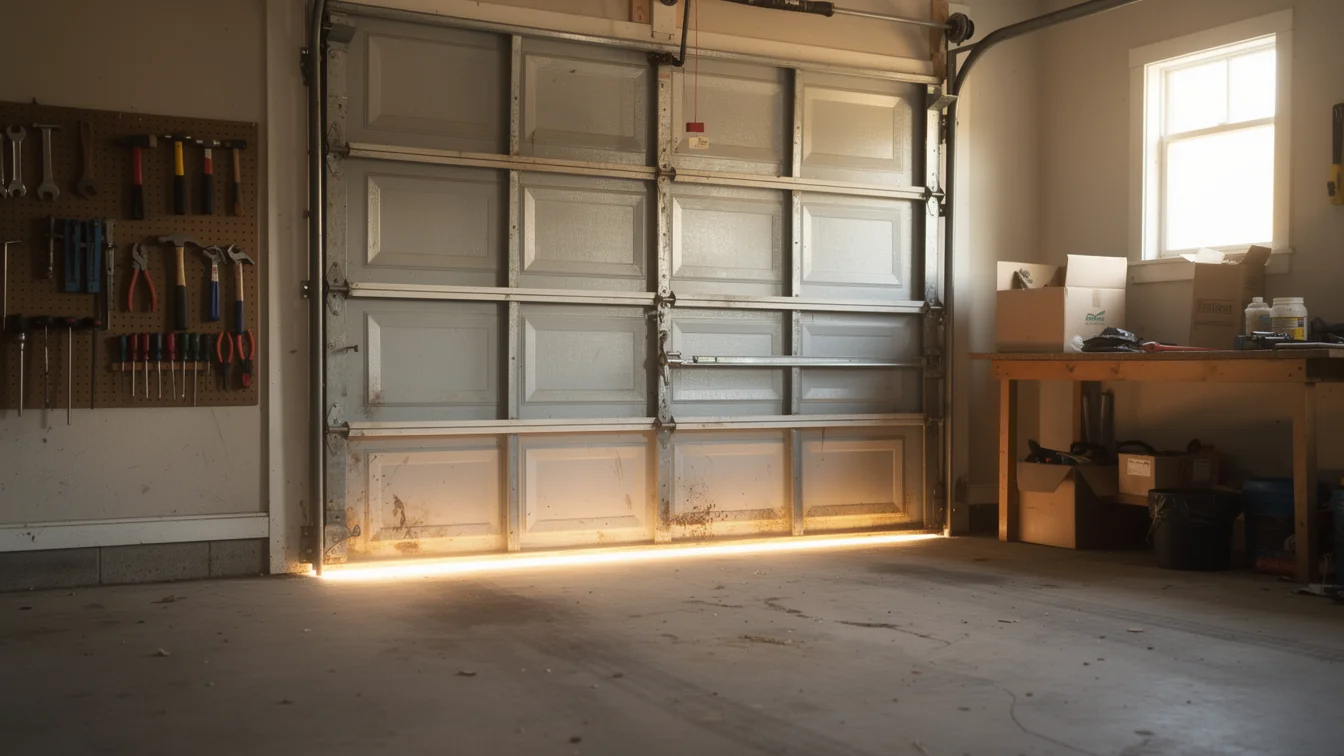 Garage Doors in a Town Built Across Eight Decades
Leesburg homes range from 1938 to 2015 builds.
Ready when you are
Need a garage door sorted in Leesburg?
Leesburg Garage Door Pros repairs and installs garage doors, springs and openers in Leesburg, VA and the surrounding area.