 Garage Doors in a Town Built Across Eight Decades
Leesburg homes range from 1938 to 2015 builds.
What an Older Garage Door in Leesburg Is Really Worth Fixing
Leesburg homes mostly date to the 1980s and 90s, built for lighter winters than this region now sees. Here's what an older garage door is worth fixing.
Local detail
What the Weather Here Does to It
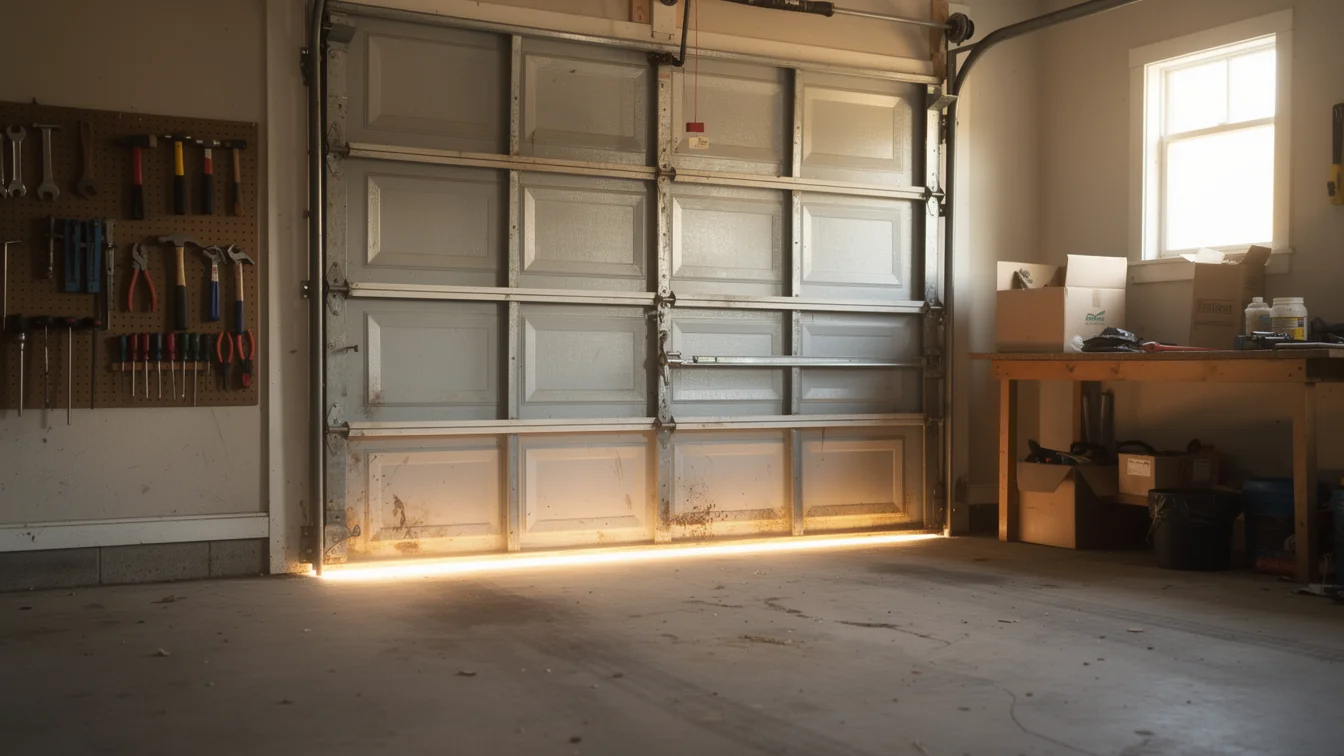
Leesburg sits in a climate band rated cold and severe, which means real freeze-thaw cycles every winter, not just a few cold nights. Steel garage door panels contract when the temperature drops, and a torsion spring that's cycled through decades of that kind of swing loses wind tension faster than the chart on the sticker says it should. Most of the doors on this side of town went up between 1938 and 2015, with the bulk from the 1980s and 90s, back when doors weren't built or insulated for the kind of cold snaps this region sees now. Nylon rollers on those doors get brittle and crack instead of just rusting. Opener gears strain harder pulling a cold, stiff steel panel than they do in a mild October. None of this means the door is junk - it means the parts doing the work are older than the weather they're now fighting.
The area
What Is Going On
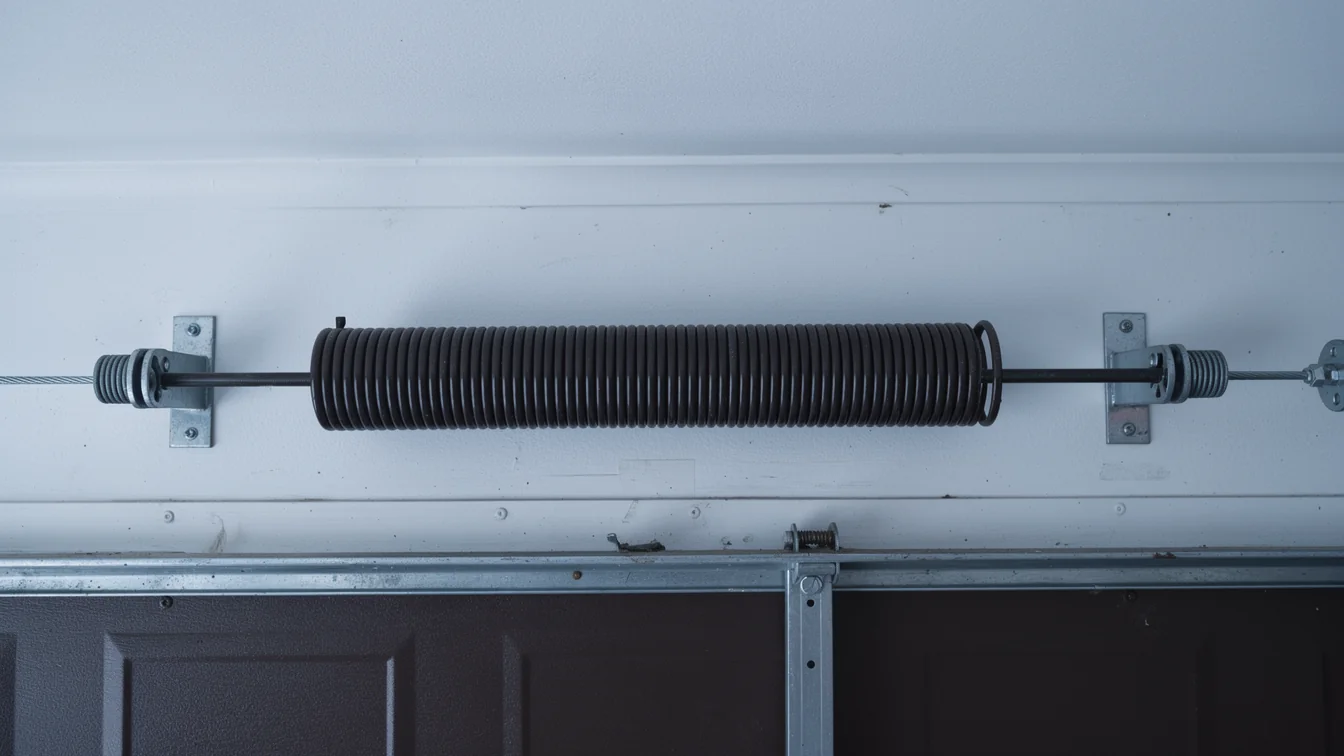
The service area runs from Waterford, six miles out, to Upperville, nineteen miles out, with Purcellville, Brambleton, Aldie, Round Hill, Arcola, Lovettsville, Middleburg, South Riding, Great Falls, Bull Run, and Wolf Trap in between - thirteen named areas in all, and most of them built out in the same wave. Housing here runs from 1938 to 2015, with a median year of 1986, which puts a lot of garage doors right in that 1980s-90s stock everyone around here is dealing with at the same time. That means a specific kind of hardware: extension springs mounted along the horizontal track rather than torsion springs over the header, single-layer steel sections with little to no insulation, and openers from before anything had a battery backup or a keypad with rolling codes. When one of these doors fails, it's rarely one bad part - it's the whole system aging out together.
What we find
Season by Season
Winter is when the cold-rated climate here shows up in the hardware: springs lose tension, metal contracts and panels bind in the track, and openers that strain in the cold burn out capacitors early. Late winter and early spring bring freeze-thaw cycles that work moisture into any hairline crack in an older wood jamb or steel panel seam, which is when you start hearing new rattles. Summer humidity swells wood trim around the frame on doors from the 80s and 90s that still have original jambs, which can throw the door out of square enough that it drags on one side. Fall is the window to deal with any of it before the cold comes back - a spring that's marginal in October is a spring that snaps in January once it's cycling through real cold again. None of this is about neglect. It's what thirty to forty years of this particular climate does to hardware that was never going to last forever anyway.
How we work
What It Costs
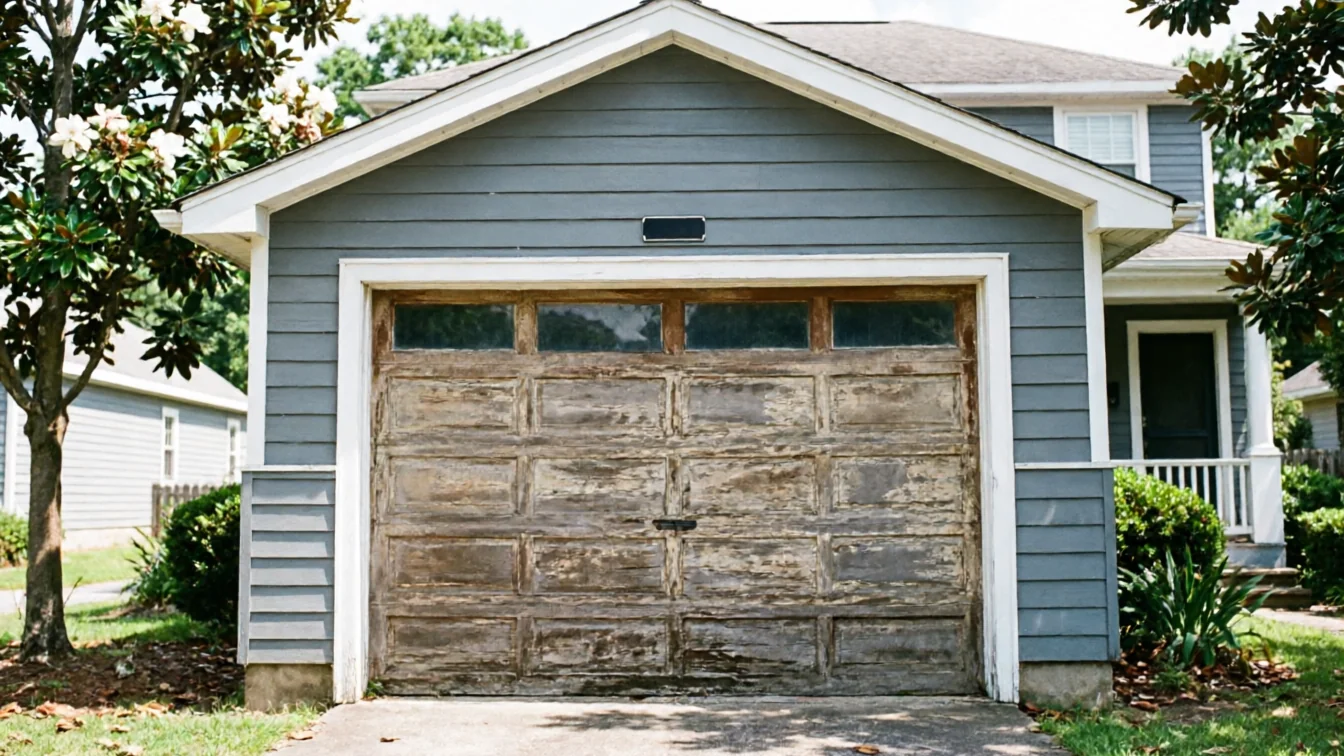
We don't quote a repair or replacement price without looking at the door - too much depends on whether it's a torsion or extension system, whether panels are still made for that model, and how bad the track damage is. What we can tell you is how we think about the decision. With a median household income here over $176,000 and roughly 21,877 owner-occupied houses across the area, most owners we talk to can afford either repair or replacement - the question is which one actually makes sense. A door that's mechanically sound with original hardware that's just aged out of its cold-weather window is usually worth fixing: springs, rollers, and weatherstripping are not expensive relative to a full replacement. A door with a cracked panel seam, an opener failing alongside the springs, or hardware old enough that parts are special-order is where replacement starts to make more sense than chasing one repair after another. That's a judgment call we make in person, not over the phone.
Questions
Common questions
How old does a garage door have to be before it's not worth fixing?
If your door dates to the original build on a house from the 1980s or 90s, which covers most of this area, the hardware is likely original too. That's not automatically a reason to replace - it comes down to whether the springs, track, and panels are still sound or whether the whole system is failing at once.
Does the cold really affect garage door springs that much?
Yes. This area sits in a climate band rated cold and severe, and torsion and extension springs both lose wind tension faster when they're cycling through hard freeze-thaw swings every winter. A spring that's marginal in October often doesn't make it through January.
Why does my opener seem to strain more in winter?
Cold steel is stiffer and heavier to move than the same panel in warm weather, so the opener's motor and gears work harder. On a door old enough to have an original opener from before battery backups were standard, that extra strain shows up as grinding, slow travel, or outright failure.
Is it worth replacing just the springs on an older door?
Often, yes. Springs, rollers, and weatherstripping are a fraction of the cost of full replacement, and on a door with sound panels and track, swapping worn hardware can add years of service. We look at the whole system before recommending that, not just the part that's currently making noise.
Recommendation
You Might Also Like
More garage door guides for Leesburg homeowners.
Garage Doors in a Town Built Across Eight Decades
Leesburg homes range from 1938 to 2015 builds.
 Openers and Power Cuts in Leesburg Homes
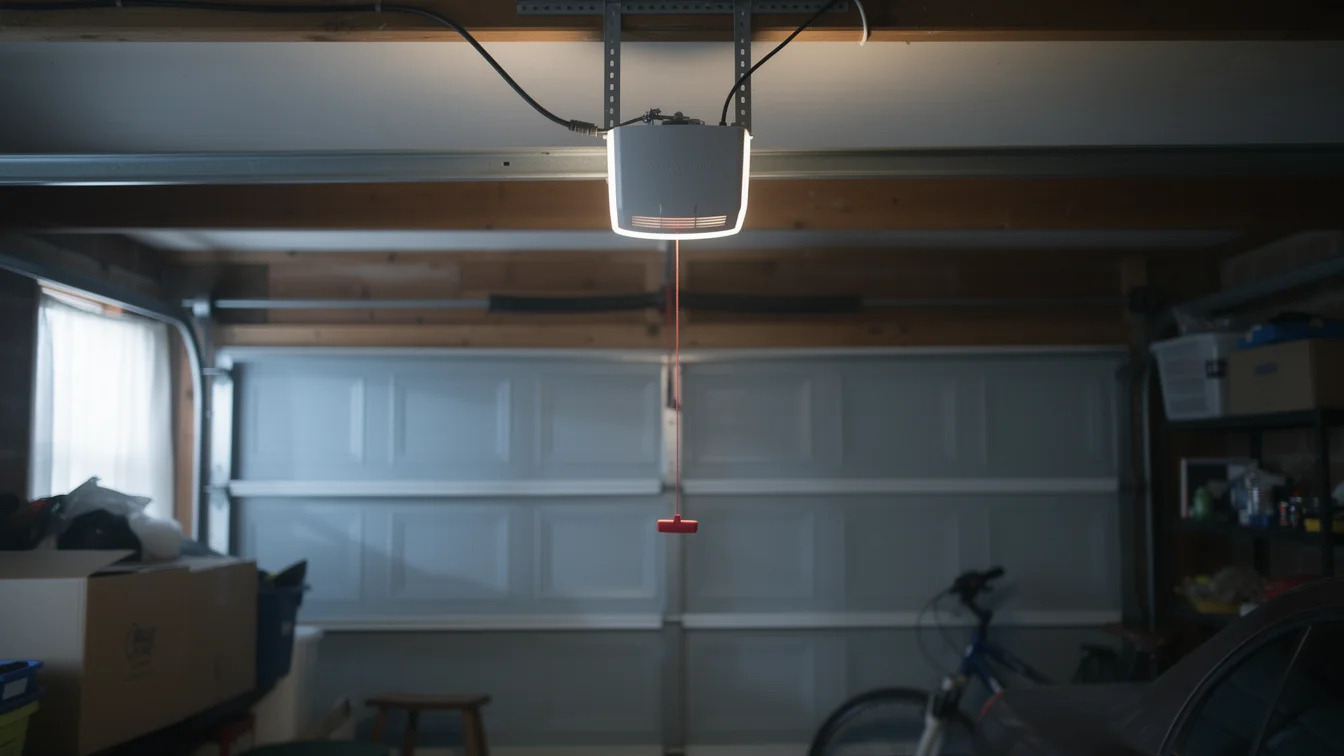
How Leesburg's cold winters and 1980s-90s opener stock combine to cause power-cut lockouts, and what it actually costs to fix or back up an opener here.
 When a Spring Goes in Cold Weather in Leesburg
Leesburg homes built mostly in the 1980s and 90s are hitting the age where torsion springs fail, and a hard freeze is what finally makes a tired spring let go.
Ready when you are
Need a garage door sorted in Leesburg?
Leesburg Garage Door Pros repairs and installs garage doors, springs and openers in Leesburg, VA and the surrounding area.