What the Fix Involves
A maintenance visit isn't a repair call, and it shouldn't be treated like one. The job is to catch the parts that are wearing down before a spring snaps or a cable frays on a Tuesday morning when you need to leave for work.
Standard visit checklist
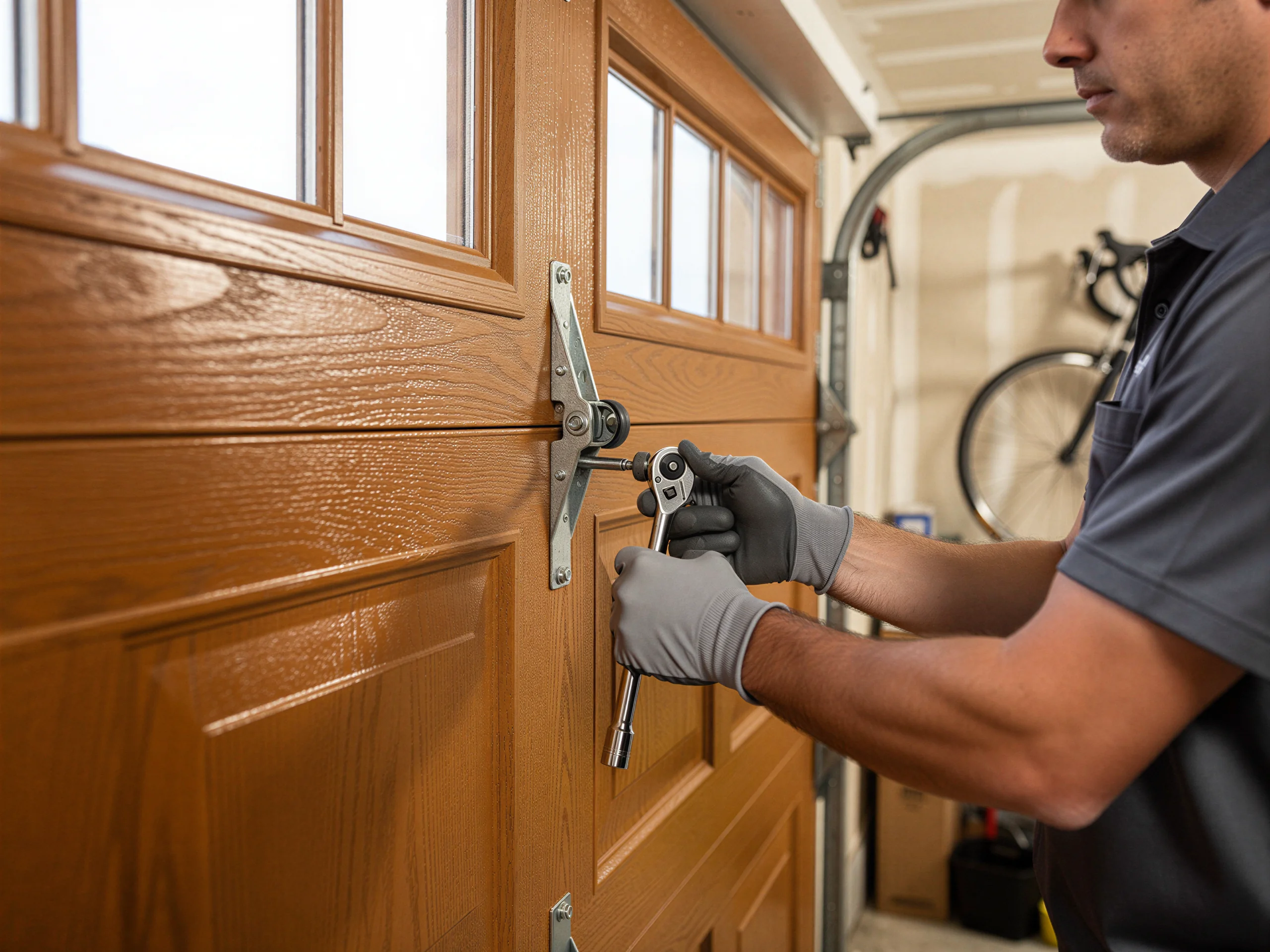
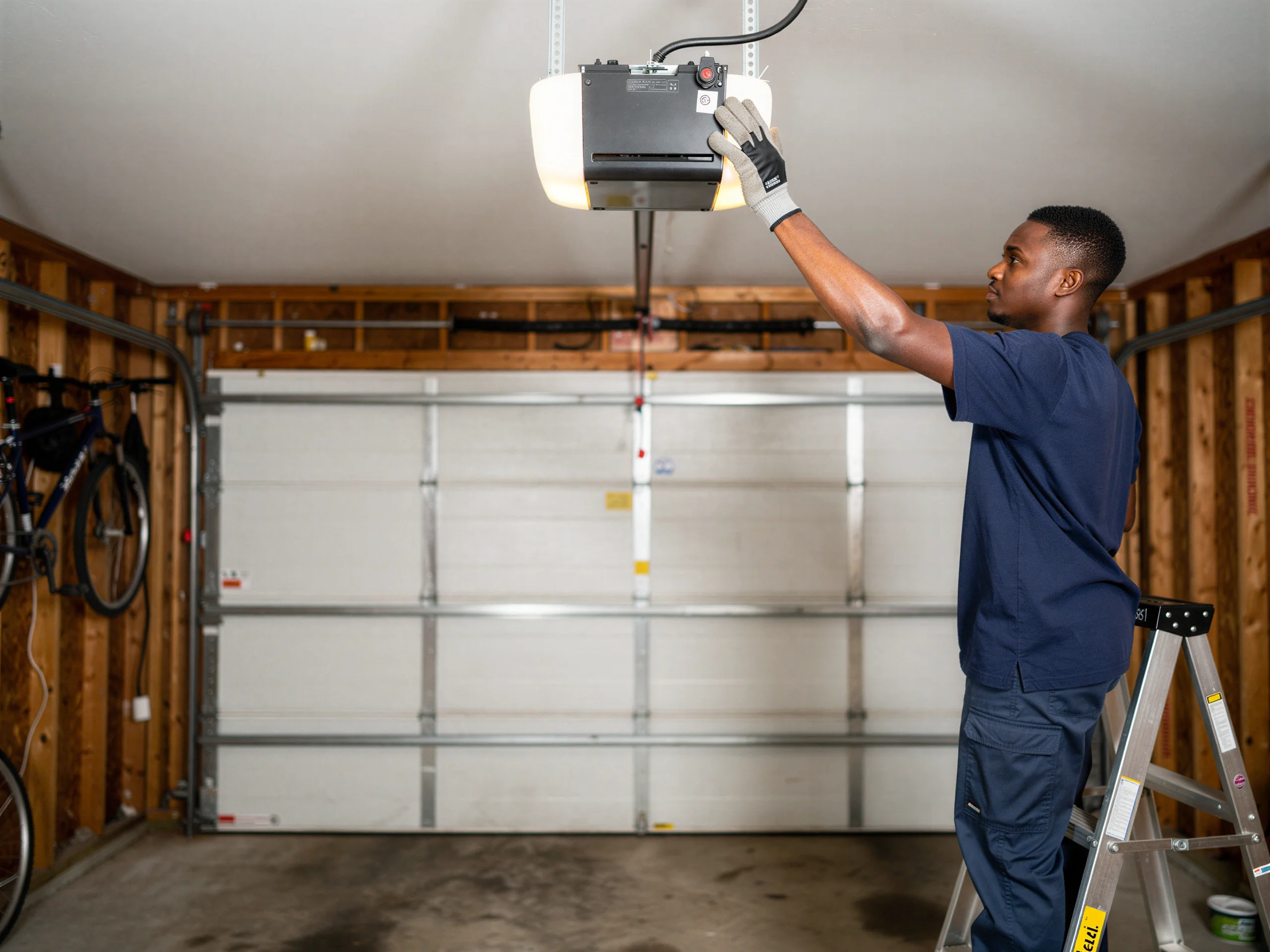
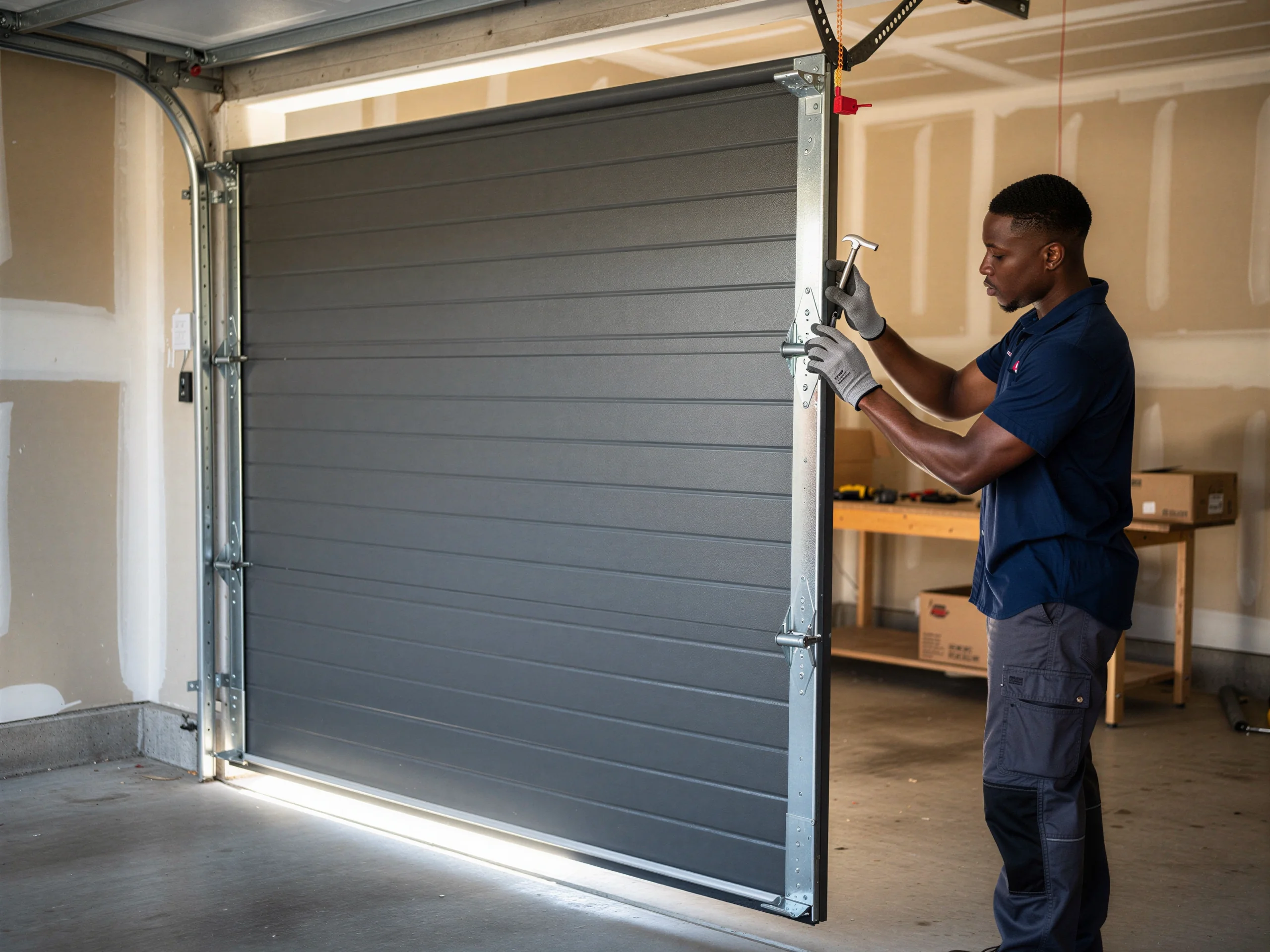
On a typical visit we check spring tension and balance, inspect cables and rollers for fraying or flat spots, lubricate hinges and track, tighten loose hardware on the track brackets, and test the opener's force settings and safety reversal. The mix of ages matters here. Housing across this service area runs from 1938 up through 2015, with the median build year at 1986, so a maintenance visit on a house from the 1940s and one from the 2010s aren't the same job.
Visit varies by hardware
Older doors often still run original torsion hardware that was never rated for the cycle counts it's now logged. Newer builds usually have factory nylon rollers and updated opener sensors, so the visit leans more toward lubrication and calibration than hardware inspection. We won't pad a maintenance visit with work that isn't needed.
Quick tune-up when fine
If a spring still tests within range and the cables show no fraying, we tell you that and move on. A tune-up should take less than an hour in most cases - if it's running long, something unexpected came up and we'll walk you through it before doing anything else.
What Is on the Truck
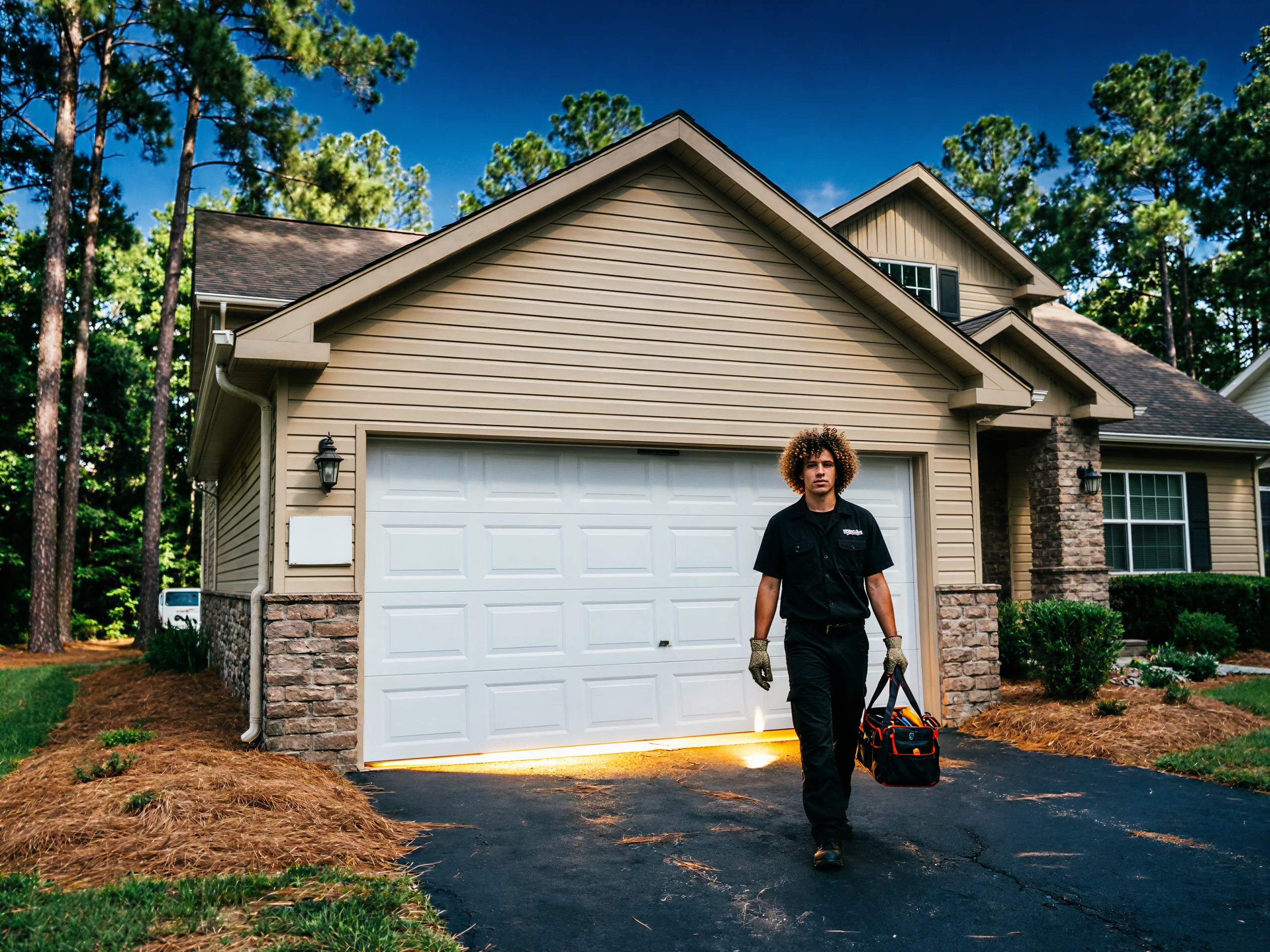
For a standard maintenance call, the truck carries spring tension gauges, a torque wrench set for track bolts and hinges, white lithium or silicone-based lubricant (not WD-40, which attracts grit), replacement rollers and hinges for on-the-spot swaps, and a multimeter for checking opener wiring and sensor alignment.
What we don't carry on a maintenance run is a full spring replacement kit. If a spring tests out worn past its safe range, that's a separate job scheduled with the right-size spring for your door's weight and width - guessing on spring size is how doors end up out of balance again within a year. Same with opener boards: if the logic board itself is failing, that's diagnosed and quoted separately rather than swapped blind.
The honest limit here is parts availability. Doors built before the 1990s sometimes use roller and hinge sizes that aren't on the truck as standard stock, since most of what we carry is sized for the 1980s-90s construction that makes up the bulk of the area's housing. If your door needs an older or oddball part, we'll tell you that on site rather than force a fit that won't hold.
What You Are Seeing
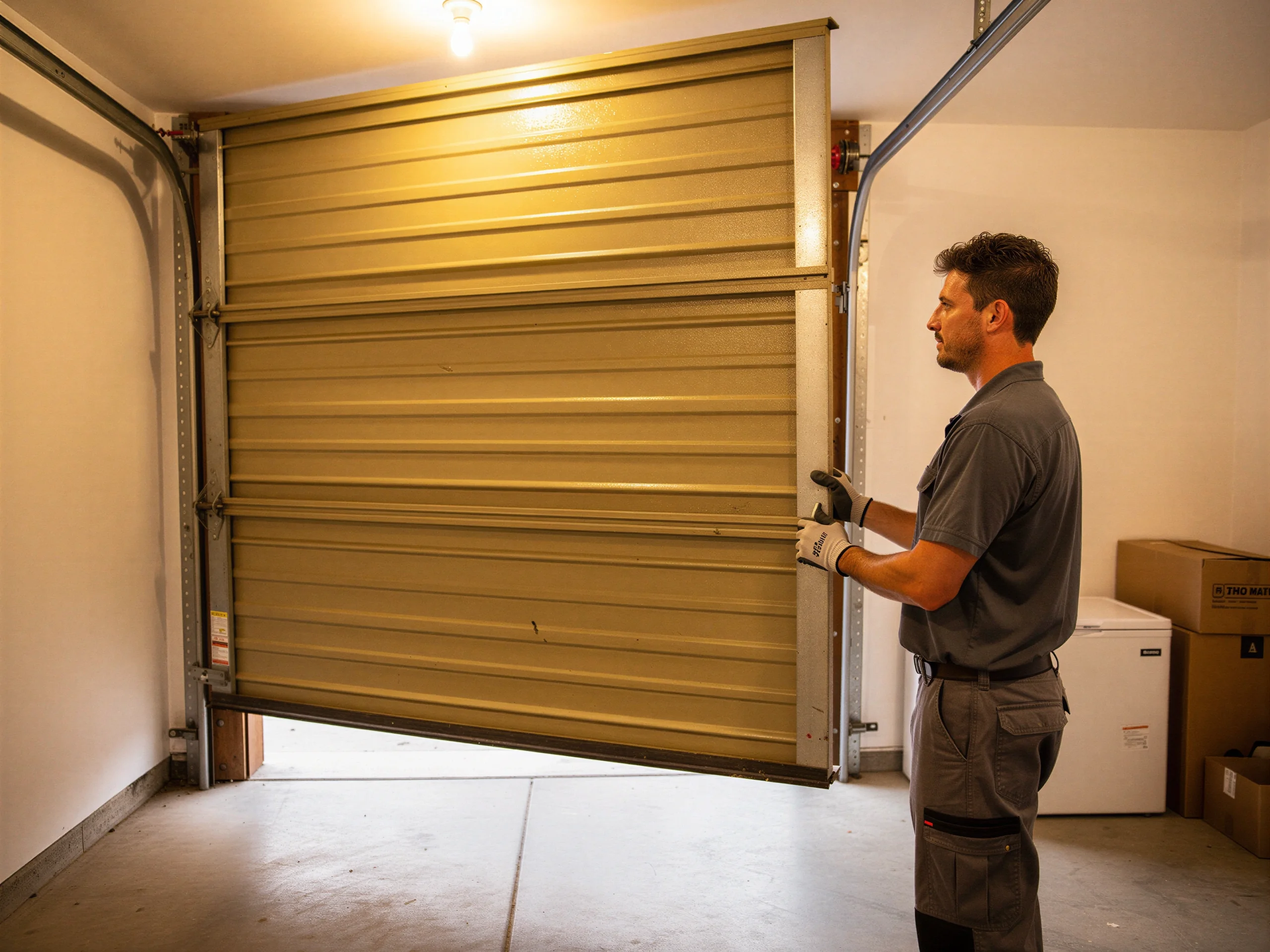
Most people call for maintenance after noticing something small, not because the door failed outright. The usual signs: a door that sags or looks uneven when it's halfway open, a grinding or popping noise from the spring area, a track that's visibly pulled away from the wall at one bracket, or an opener that strains and runs slower than it used to on the lift.
Seasonal tension shifts
Some of this shows up seasonally. A door that opened fine in October and now hesitates or reverses partway in January is usually telling you the spring tension has shifted with the cold, not that the opener itself is failing.
Squeal from old grease
Rollers that squeal on a cold morning but quiet down once the door's been run a few times are shedding old grease, not grinding metal on metal - though if that noise doesn't go away, it's worth a look.
Stop running after bang
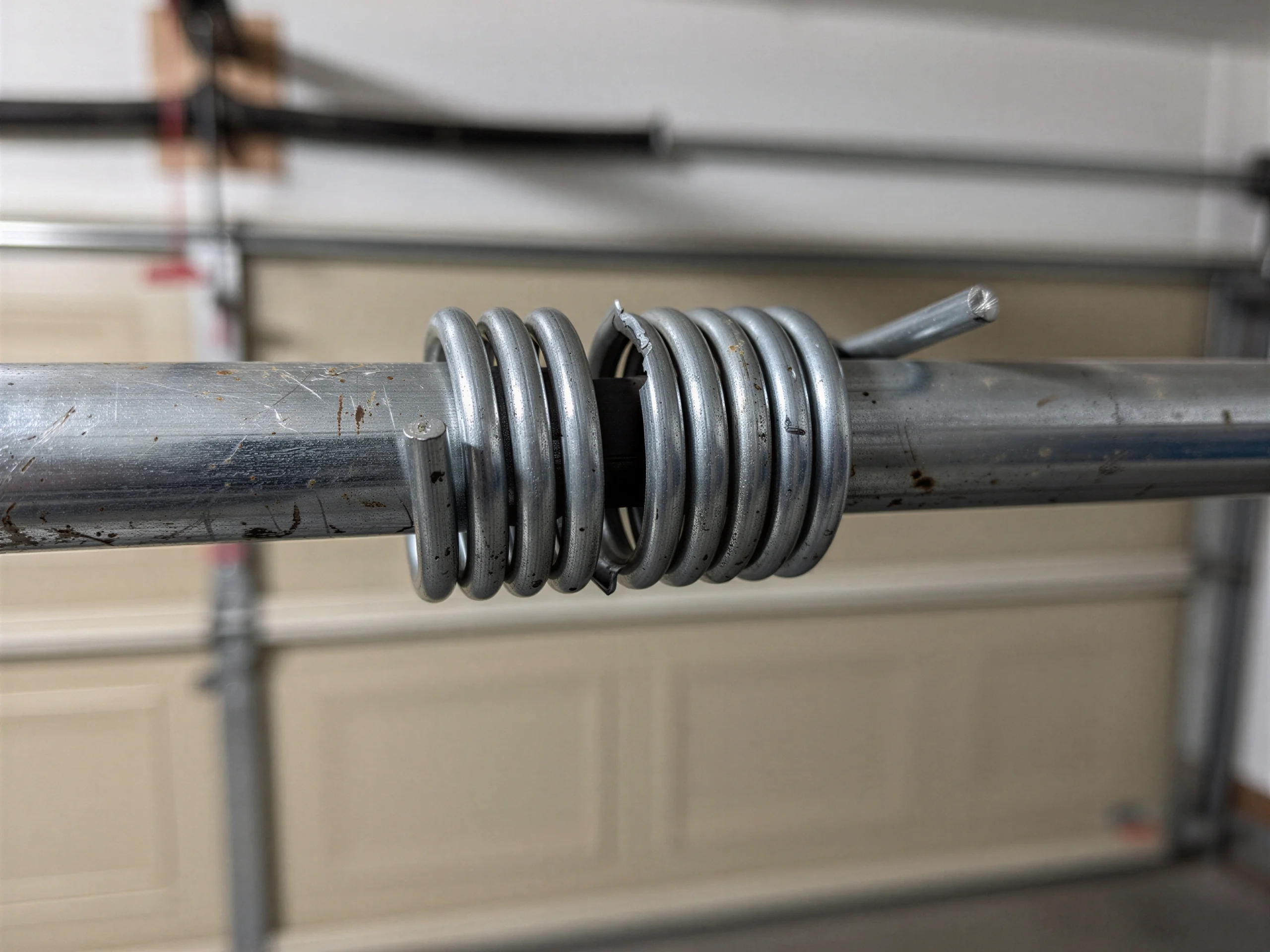
If you're hearing a loud bang followed by the door refusing to move at all, that's not a maintenance call - that's a broken spring, and running the opener again without fixing it first can bend the track or burn out the motor. Maintenance is for catching wear before it gets there, not for the moment after it already has.
Why This Fails Locally
This service area's housing stock runs from 1938 to 2015, with most of it concentrated in 1980s-90s construction across the thirteen named communities we cover, from Waterford six miles out to Upperville nineteen. That means a lot of torsion springs, cables, and rollers were installed in the same decade, on doors sized for the same era of garage openings, and they're wearing out on roughly the same schedule now - not randomly, but in waves tied to when those subdivisions were built.
The climate band here is classified cold and severe, which shortens spring life faster than it would in a milder region. Steel contracts in low temperatures, tension shifts, and a spring that tested fine in August can be measurably tighter or looser by January. That's the mechanical reason winter maintenance calls spike - it's not that doors break more in the cold, it's that marginal springs finally show their wear once the temperature drops.
Across 36,086 households and 21,877 owner-occupied houses in the service area, that adds up to a large number of doors built in a narrow window of hardware standards, all aging into the same failure point. A maintenance program that catches a spring at 80% of its rated life, before a cold snap pushes it past that line, costs a lot less than an emergency call after it snaps.
Talk to a local pro
Garage door service in Leesburg?
Same-day service with honest, upfront quotes.