What the Fix Involves
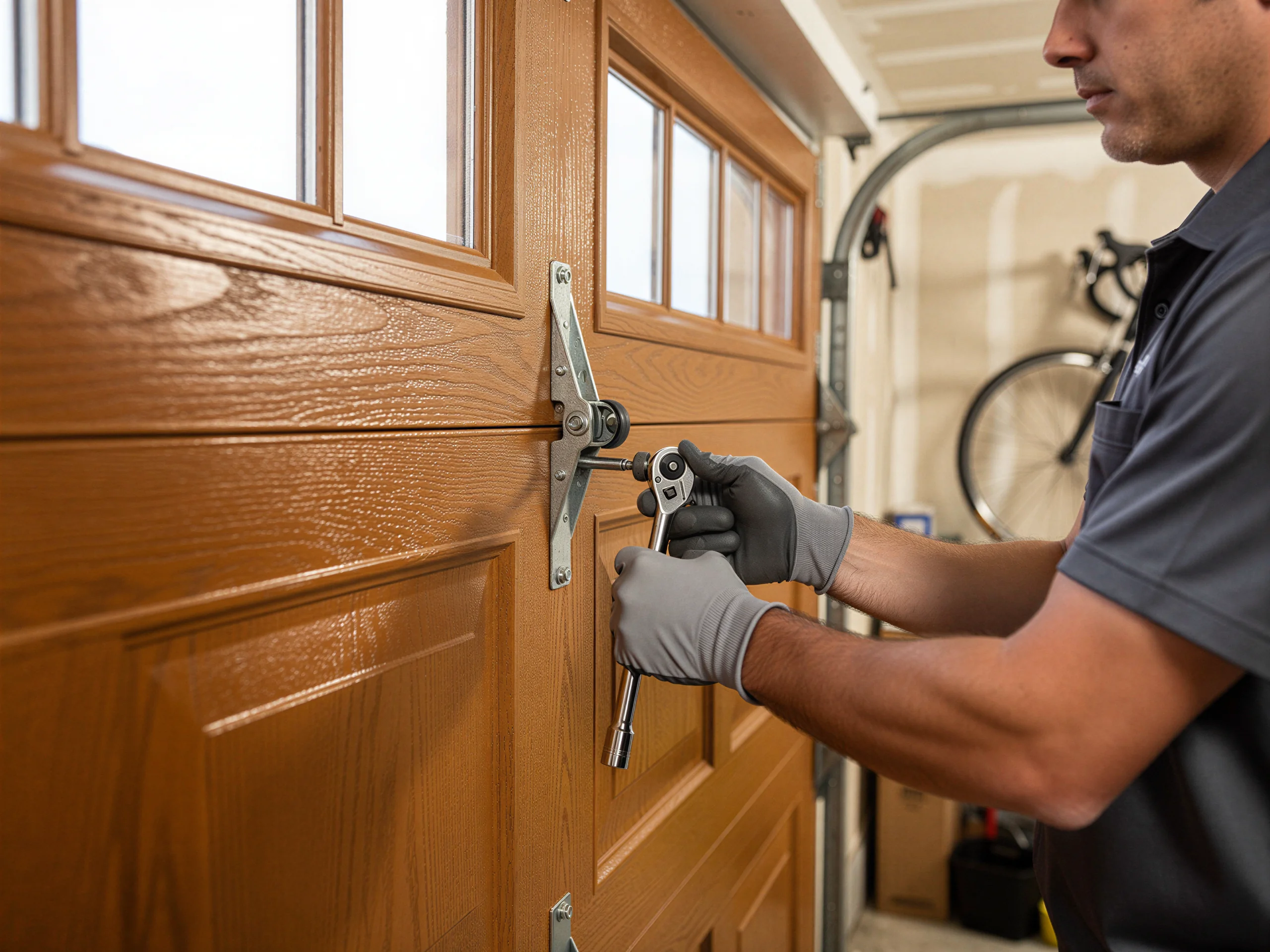
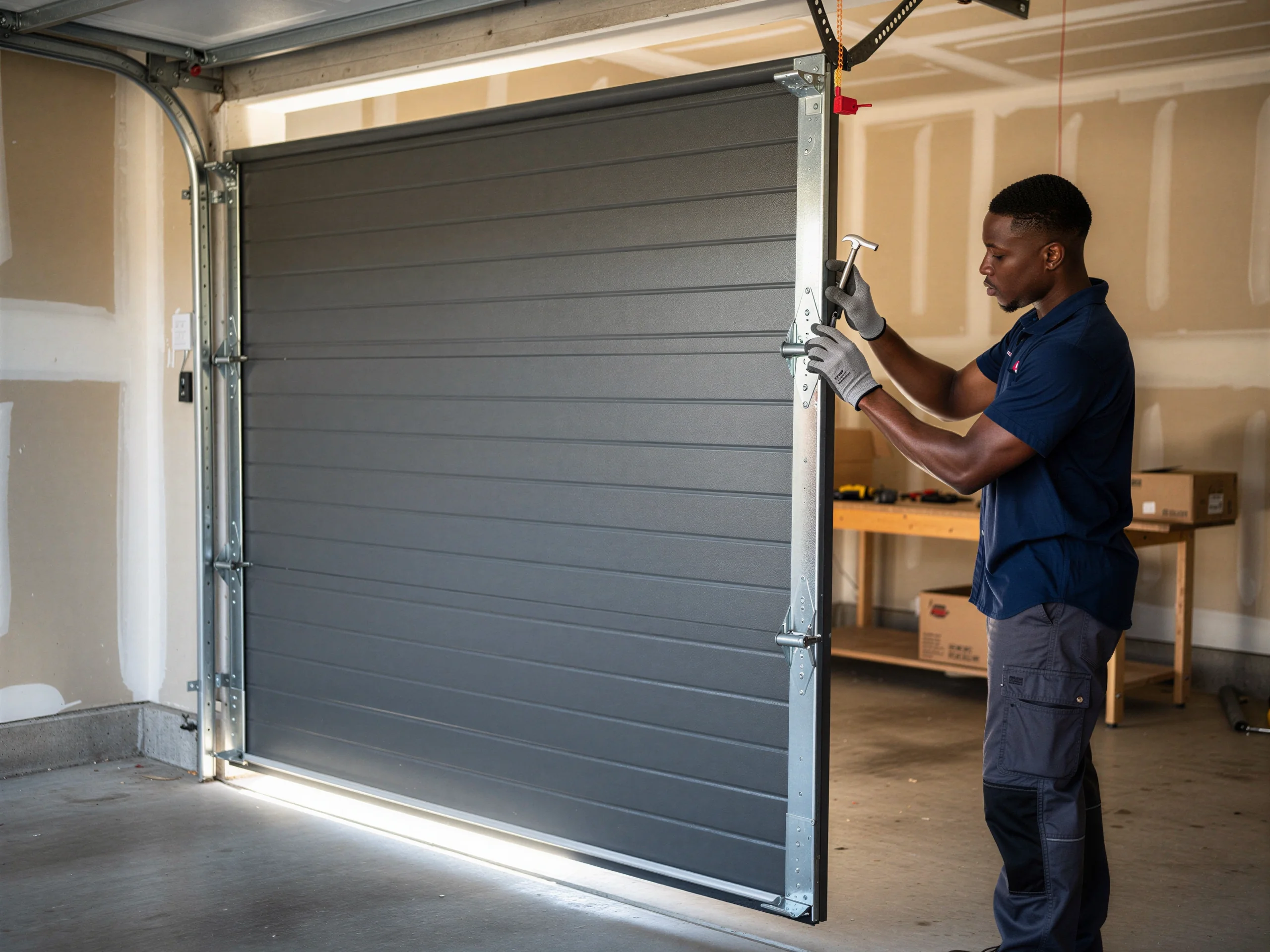
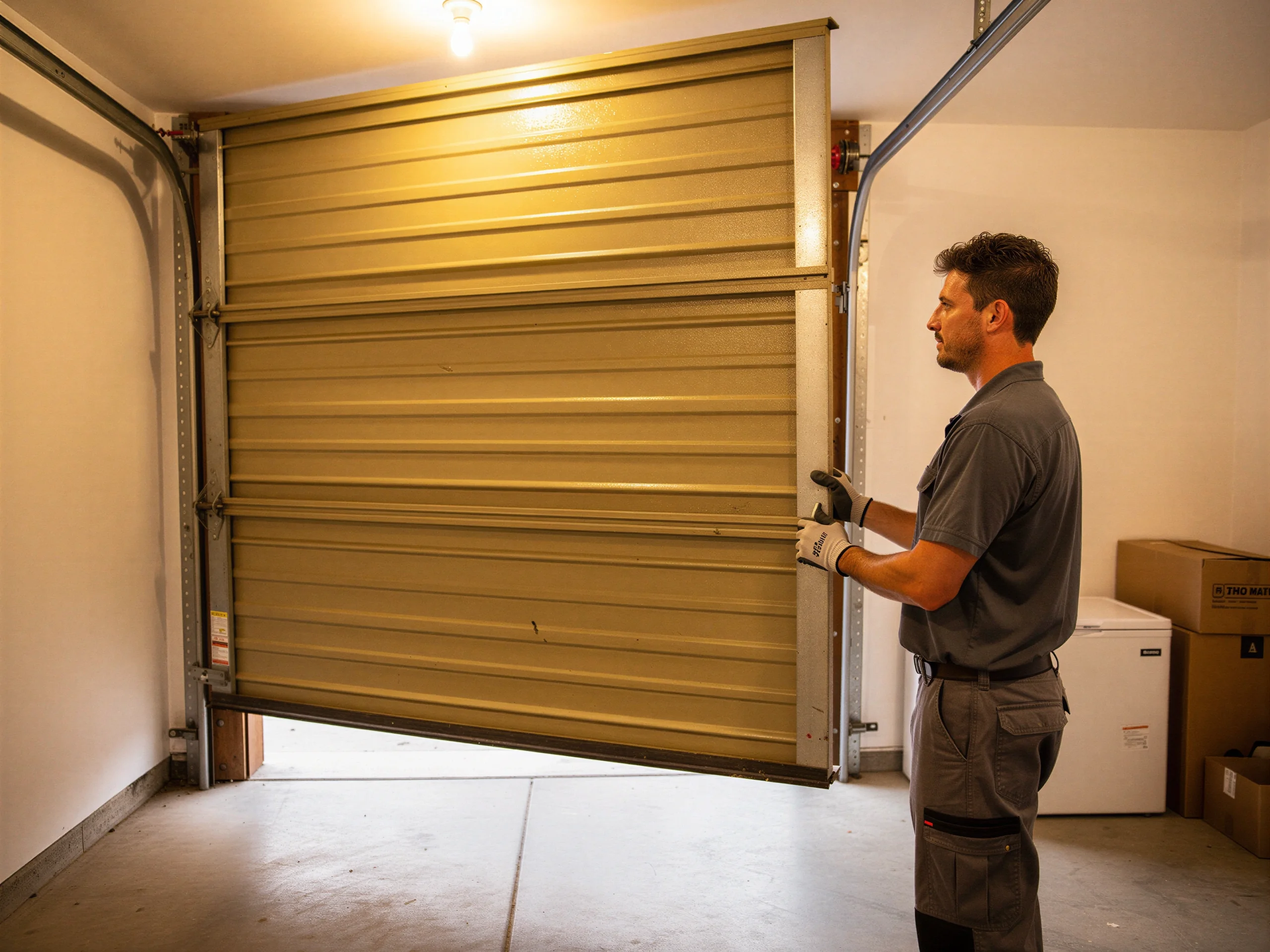
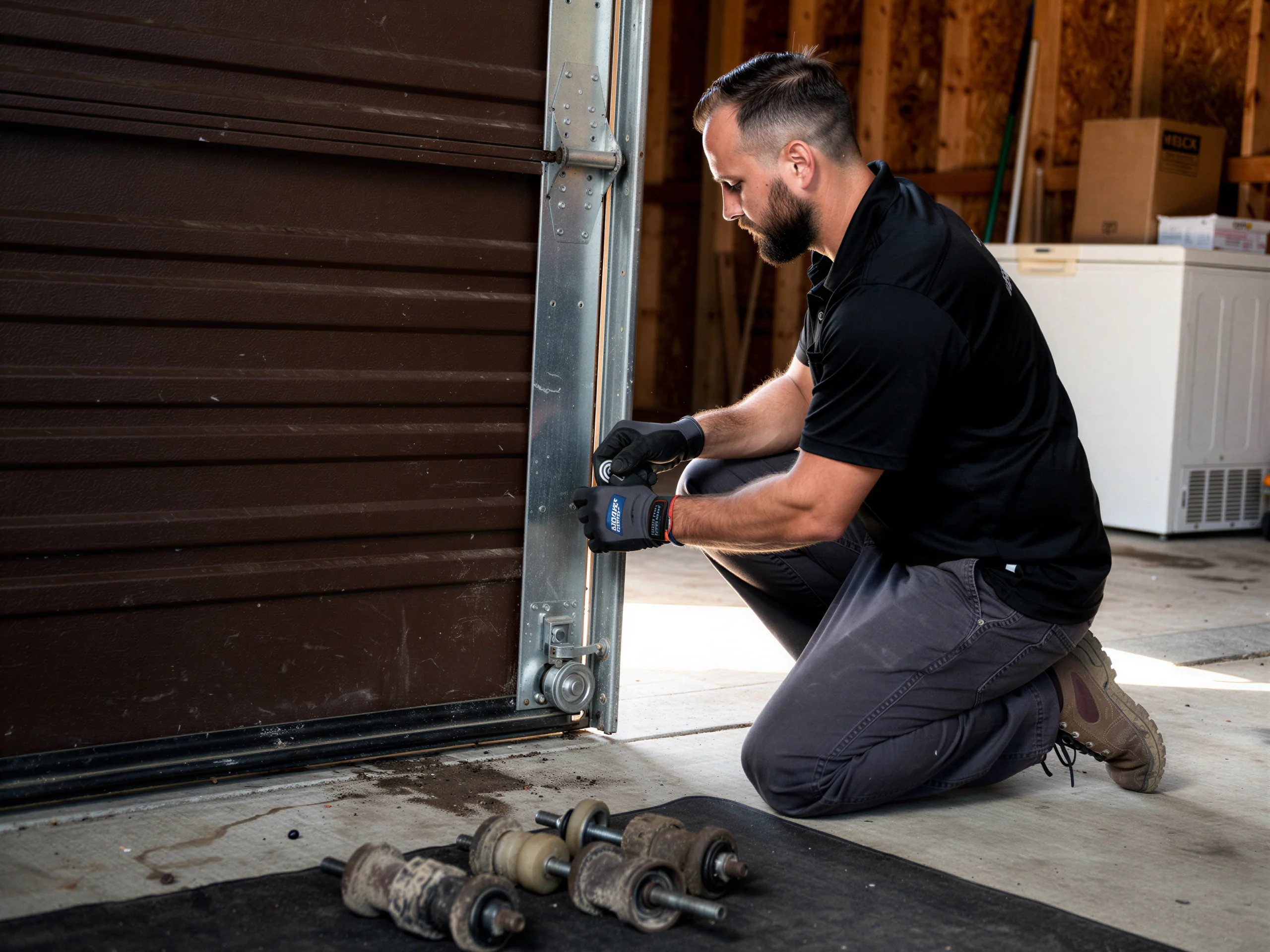
Roller replacement means pulling the old rollers out of the track brackets, one hinge at a time, and setting new ones in without letting the door drop off the track mid-job.
Roller count and track gap
On a double door that's eight to ten rollers; on a single, six. We check the track gap at the same time, because a roller sized wrong for a bent or narrow track will fail again in a year no matter how good the roller is. Most of the time this isn't a one-roller job.
Replace rollers as set
If one has worn through its stem or cracked its wheel, the others on that same door are usually close behind, especially if they're the same age. We replace them as a set unless the door is new enough that the rest still have life in them.
Track or hinge limits
The honest limitation here: if the track itself is bent or the hinges are rusted and seized, roller replacement alone won't quiet the door. We'll tell you straight if you're looking at a track or hinge repair instead of, or in addition to, new rollers, rather than selling rollers that won't fix the actual noise.
What Is on the Truck
We carry sealed-bearing steel rollers and nylon rollers with sealed bearings, in the stem lengths that fit the bracket styles used across the housing stock out here - standard 4-inch stems and the longer stems some builders used on wider track setups. Nylon is the quieter choice and what we put in most of the time; steel still shows up on older doors where the original hardware was all-steel and the owner wants to match it.
We also carry the matching hinges and center brackets, because a worn hinge pin will wreck a new roller's bearing within months if we don't catch it. What we don't carry on the truck is every roller size ever made - if a door has an odd aftermarket track from a specialty install, that part may need to be ordered, and we'll tell you that lead time up front instead of guessing.
What You Are Seeing
The usual complaint is a grinding or rattling sound as the door travels, worse at the top or bottom of the run where the rollers take the most load going around the curve into the horizontal track.
Jumping and catching door
Some owners notice the door jumping slightly in the track, a visible wobble in the panel, or the door catching and needing a shove to keep moving. If a roller wheel has split or a stem has snapped, you may see the door sitting crooked in the opening, hanging slightly off square on one side.
Opener strain from rollers
That's usually not an emergency, but it does mean the opener is fighting the door every cycle, which shortens the life of the opener's gears too. Flaking white or gray residue near the roller track is usually just worn bearing grease and plastic dust, not a sign of a bigger problem by itself - though it's a good prompt to get it looked at before a wheel lets go completely.
Why This Fails Locally
Housing across this service area was built mostly between 1938 and 2015, with most of it going up in the 1980s and 90s across the thirteen named communities we cover. A lot of those doors still have original rollers, and original-grade nylon from that era wasn't sealed-bearing - it dries out and cracks well before a modern roller would.
The climate here is the other half of it. This is a cold-severe band, and steel tracks contract in hard freezes just enough to tighten the gap rollers ride in. A roller that's already worn thin handles that fine in July and starts grinding or jumping the first cold week of the year. We see a spike in roller calls every winter for exactly that reason - it's not that the roller failed overnight, it's that the cold finally caught up with wear that had been building for seasons.
Across the service area's 21,877 owner-occupied houses, this is one of the most common reasons a door gets loud before anything else breaks.
Talk to a local pro
Garage door service in Leesburg?
Same-day service with honest, upfront quotes.