What the Fix Involves
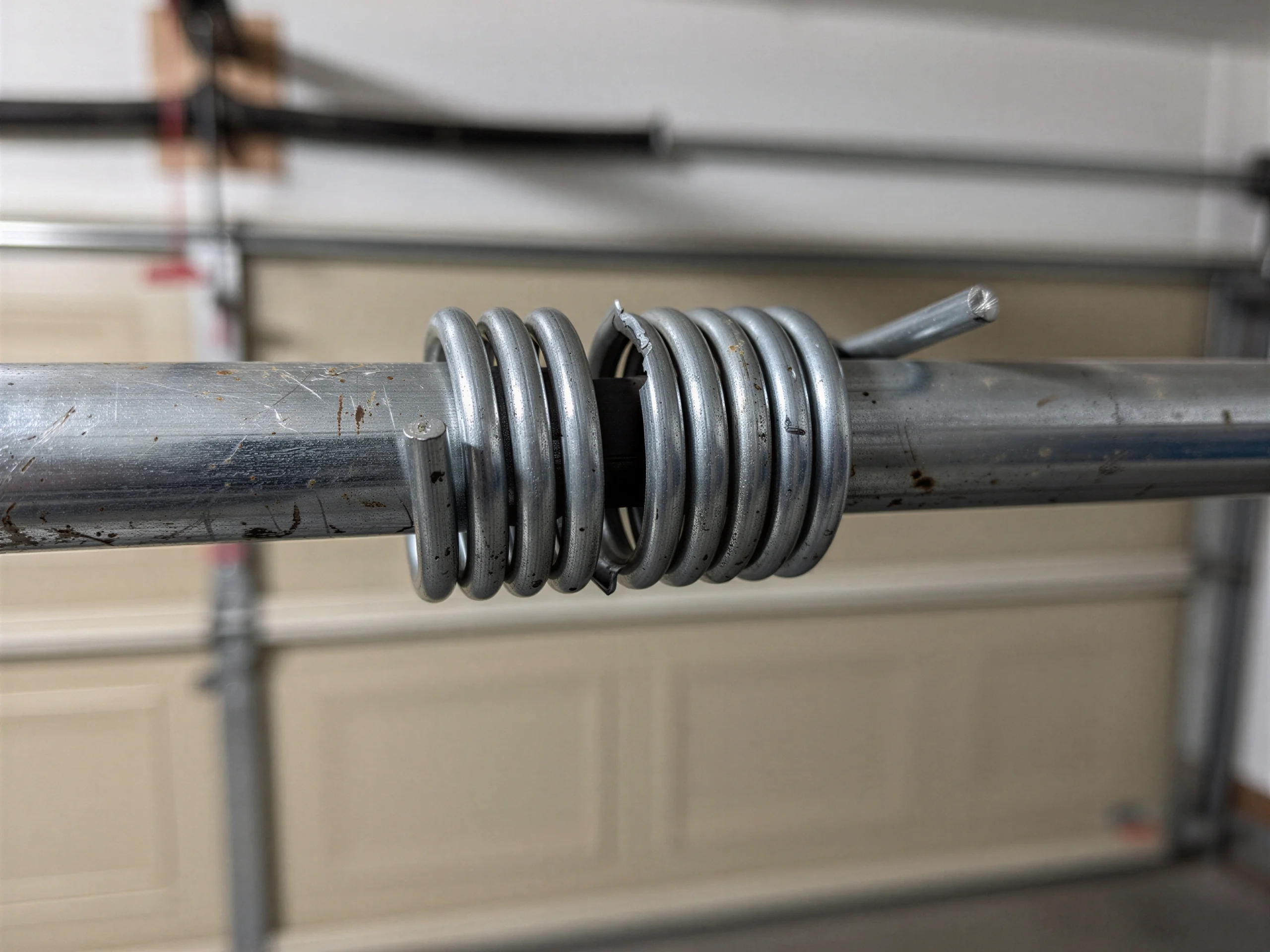
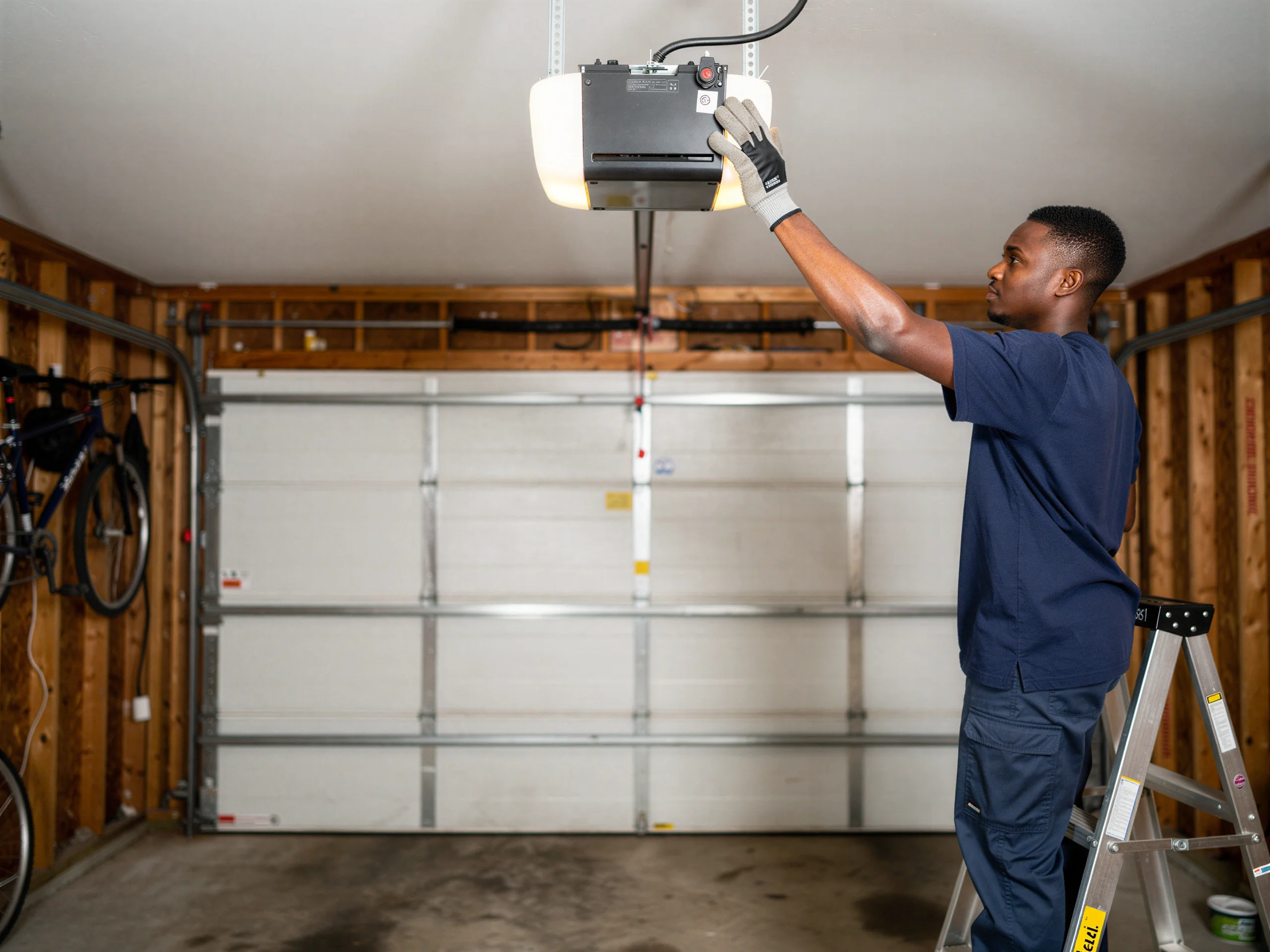
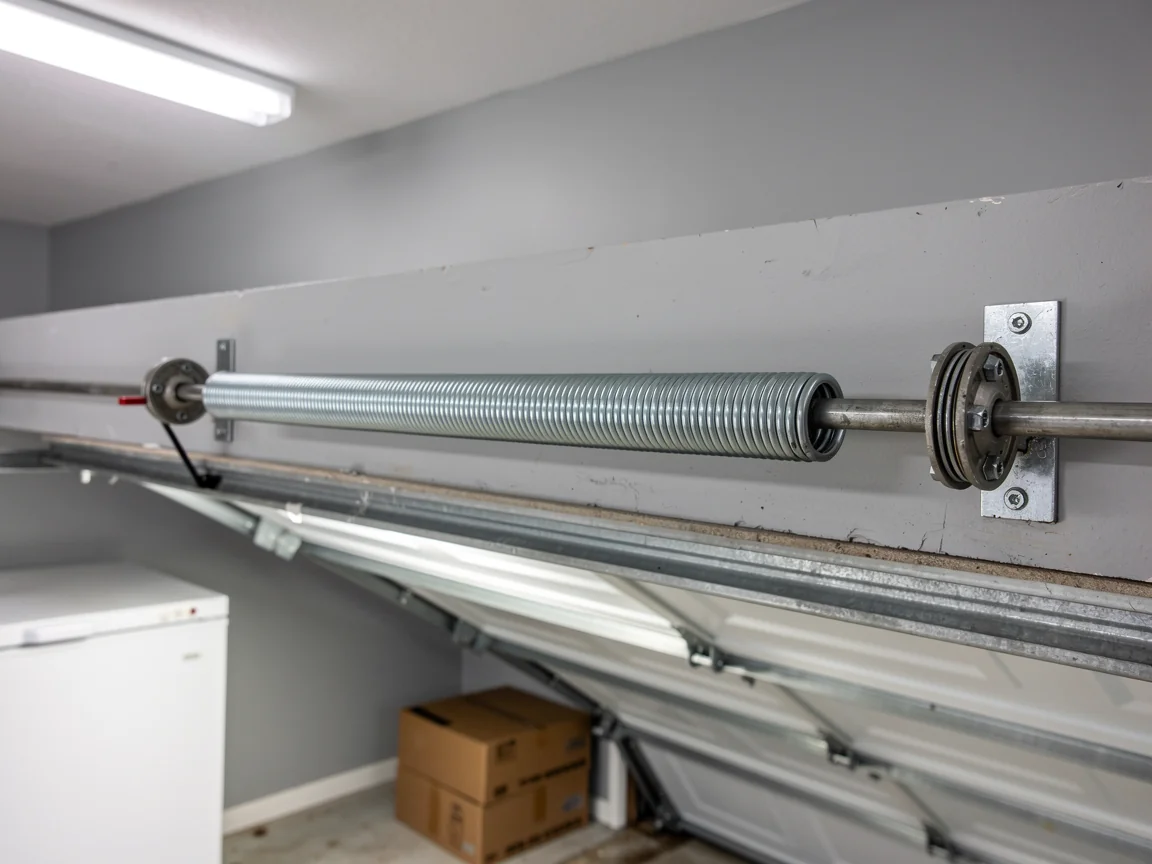
Opener repair starts with figuring out whether the problem is the motor head, the logic board, the drive system, or something upstream of all three, like a spring that's lost tension and is making the opener do work it was never built to do.
Simple checks first
We check the obvious stuff first: wall button, sensor eyes, remote batteries. Then we open the unit and look at the circuit board for burn marks, check the capacitor on older models, and test the drive gear or belt for wear. A lot of the openers we pull apart around here are chain or screw-drive units installed when the house was built, sometime between 1938 and 2015 with most of the stock dating to the 1980s and 90s.
Weathered plastic gears
Those openers were solid machines for their era, but the gears are plastic, the boards aren't weather-sealed the way newer units are, and twenty or thirty years of Virginia winters takes a toll on both. We don't replace a board because it's easier than diagnosing it.
Cheap fix or replace
If the fix is a $40 part, that's the fix. If the logic board, the motor, and the drive system are all failing at once on a unit that old, we'll tell you straight that a new opener costs less over the next five years than three separate repair calls.
What Is on the Truck
We carry logic boards and capacitors for the major chain and belt-drive brands that were common in homes built through the 80s and 90s, plus the newer screw-drive and belt units that have gone into the service area's more recent construction.
Gears, sprockets, limit switches
We stock drive gears, sprockets, limit switches, safety sensor pairs, and wall console units. What we don't carry on the truck: proprietary boards for a handful of older or off-brand openers that stopped being manufactured years ago.
Discontinued boards declined
If your unit falls into that category, we'll tell you on the spot rather than string you along, and we'll talk through whether a new opener makes more sense than waiting on a special-order part.
Cold-rated lubricant
For the cold-weather side of the job, we carry low-temperature-rated lubricant for drive rails and door hardware, since standard grease thickens and drags in the kind of sustained cold this area gets most winters. We also keep spare travel modules and remote fobs on hand, since those fail often enough on fifteen-to-thirty-year-old systems that it's worth not making a second trip for them.
What You Are Seeing
The door doesn't move when you hit the button, but the light comes on. The opener hums but the door doesn't budge. The door reverses halfway up or down for no reason you can see.
Remote range fading
The remote works from the driveway but not from across the yard, or not at all some mornings. The opener runs loud and grinding where it used to be quiet. Some of this shows up gradually over a few months.
Cold-morning strain
Some of it shows up all at once on a cold January morning when the garage has sat below freezing overnight and the opener tries to pull a door that's stiffer than usual, straining a gear or a board that was already close to done.
Original drive giving out
If your opener is original to a house built in the 80s or 90s, which describes a large share of the stock in this area, intermittent failure in winter is usually the drive system finally giving out, not a one-off glitch.
Why This Fails Locally
This area's housing runs from 1938 up through newer builds in 2015, with the bulk of it going up in the 1980s and 90s across the thirteen or so named areas we work in. That means a huge share of the openers we service are original equipment, now thirty to forty years old, running on parts that were never designed to last this long in the first place.
The climate here is the other half of it. We're in a cold-band region with real winter severity, and that matters more for openers than most owners expect. Cold metal contracts, lubricant stiffens, and a drive system that's already worn has to work harder to move a door through its travel. Boards that have spent decades absorbing summer humidity and winter cold cycles finally crack or short out. We see a clear seasonal pattern: a spike in opener calls through the coldest stretch of winter, concentrated almost entirely in homes with original, decades-old units.
Newer installs with sealed boards and better-rated components hold up through those swings far better. That's not a sales pitch, it's just what we see on the truck, call after call, across a service area running from Waterford at 6 miles out to Upperville at 19.
Talk to a local pro
Garage door service in Leesburg?
Same-day service with honest, upfront quotes.