What the Fix Involves
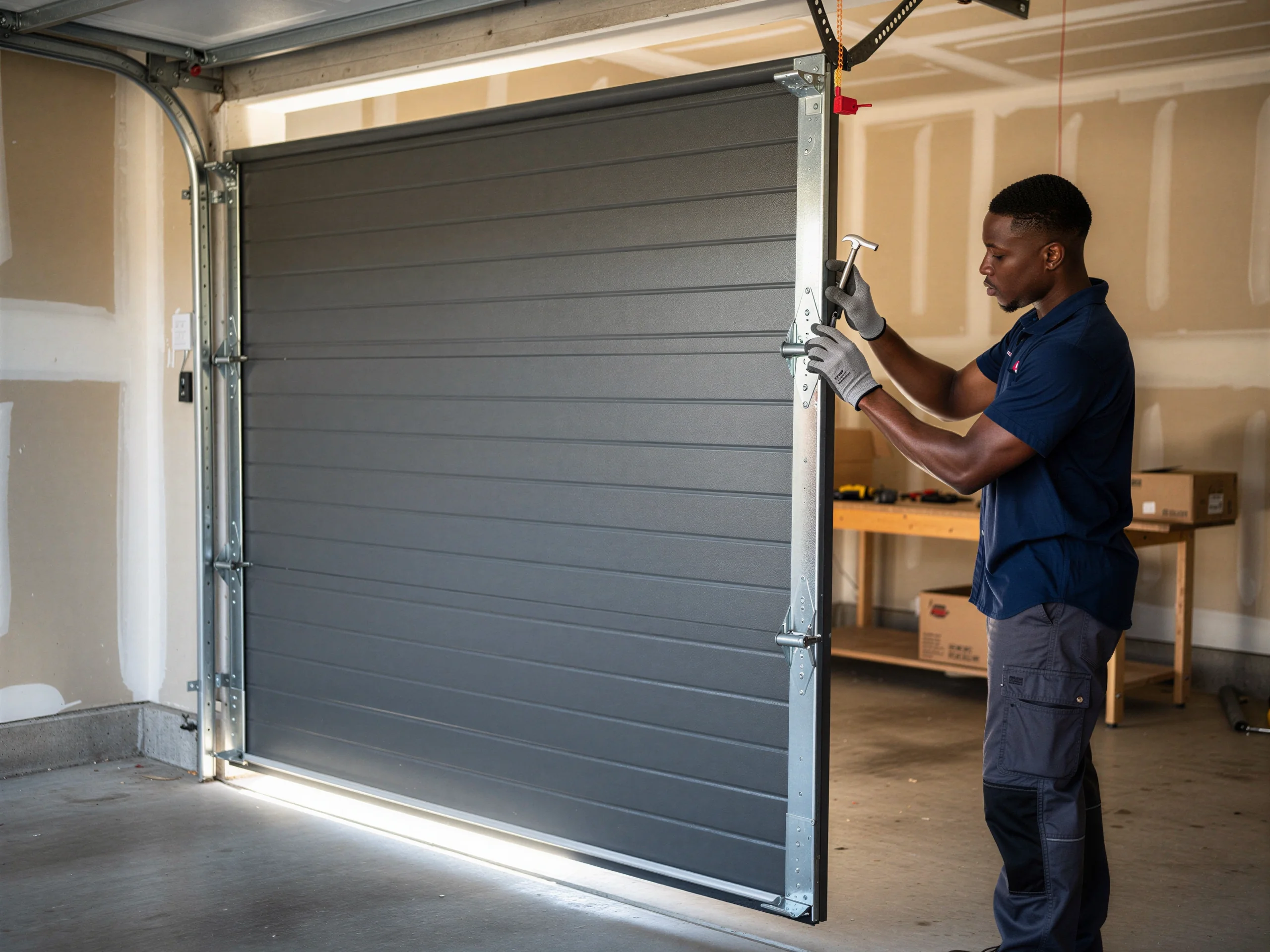
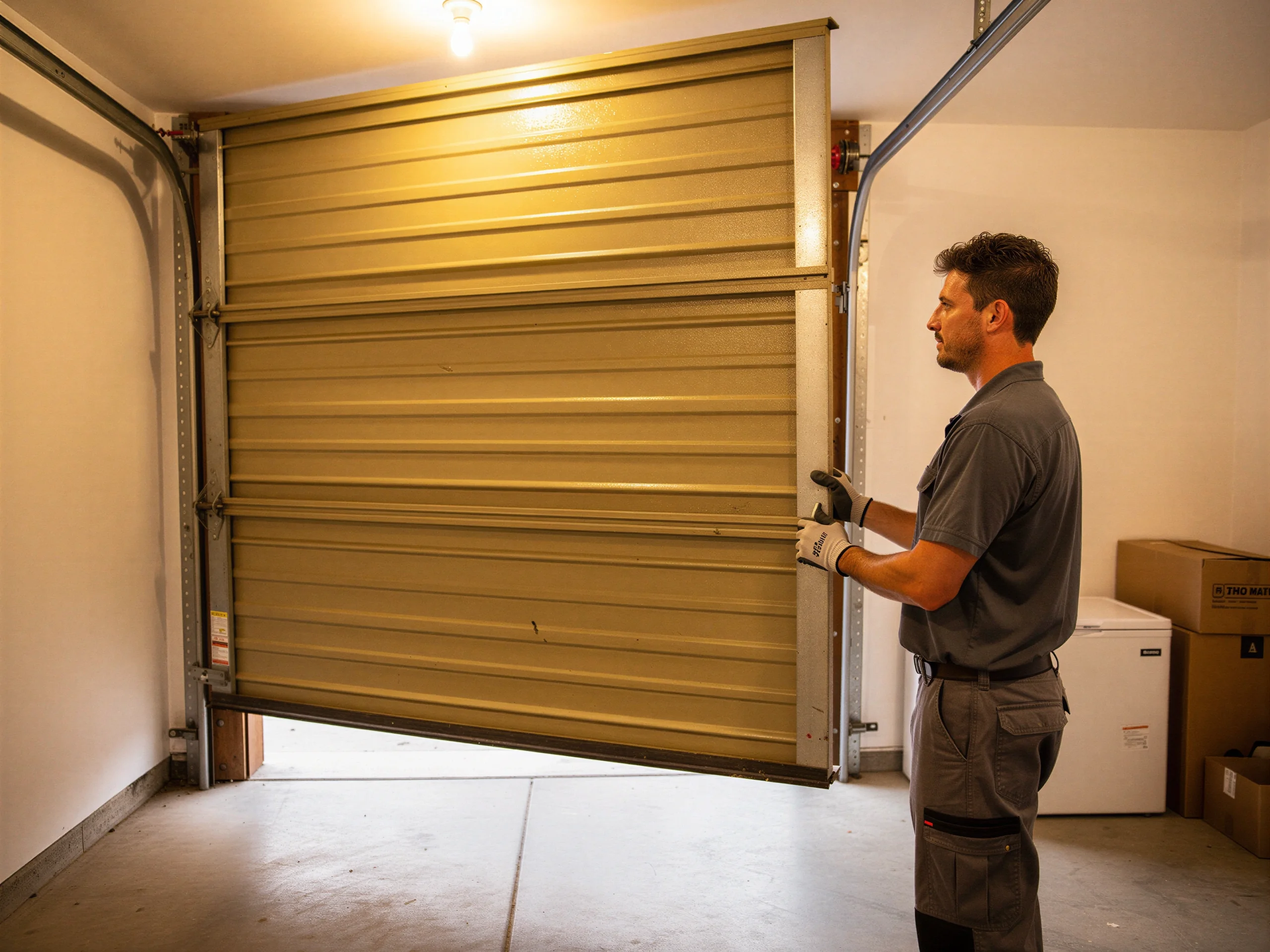
A broken torsion spring job starts with the door in the down position and the opener disconnected, because a wound spring under tension is the most dangerous part of this whole system.
Measuring shaft and wire
We measure the shaft, the wire gauge, and the wind direction before anything comes off the header bracket. Most doors in this area run on a two-spring setup over a standard torsion bar, which means if one side has failed, the other is usually close behind it even if it hasn't snapped yet.
Springs replaced in pairs
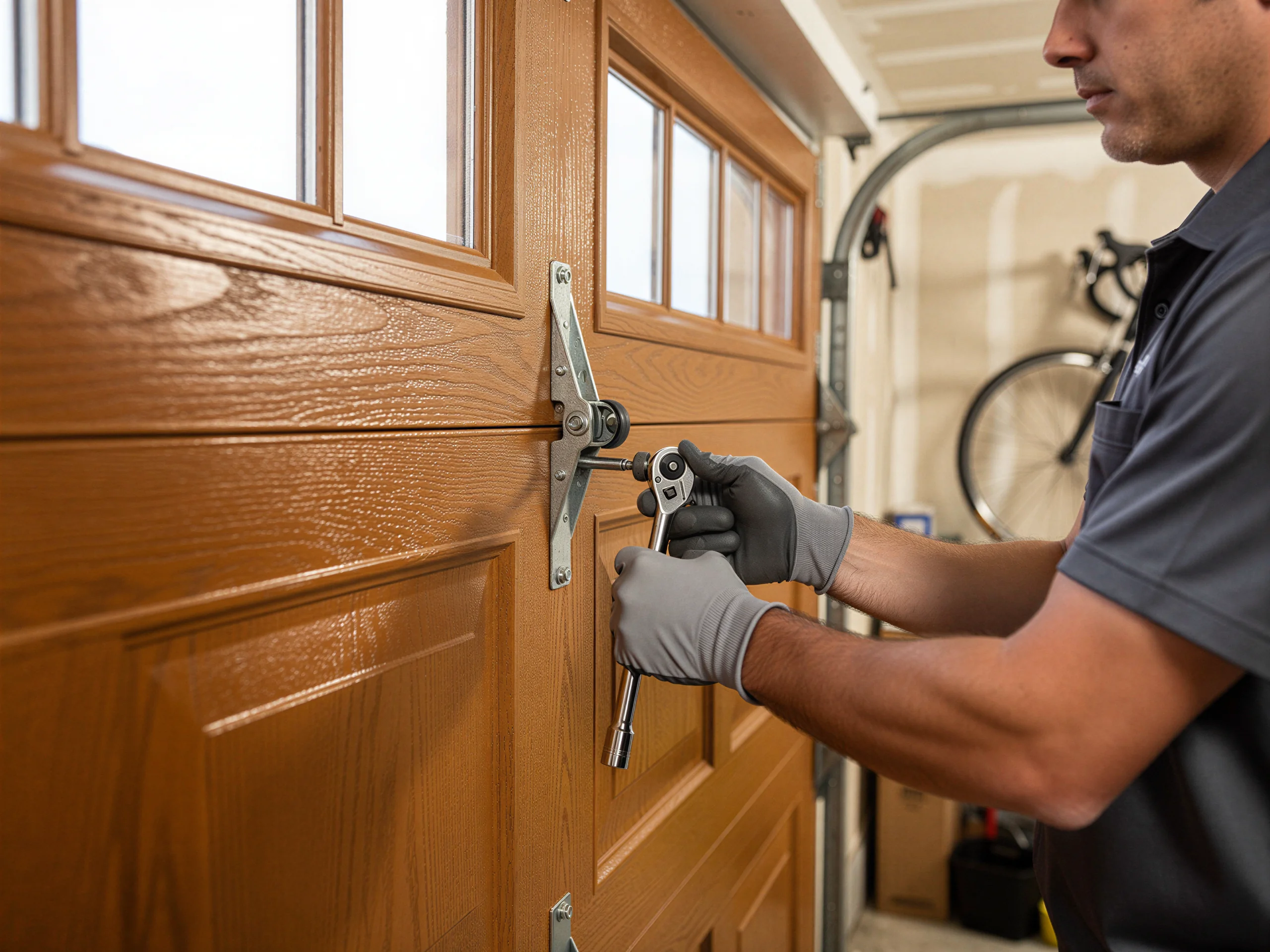
We pull both springs as a pair on a double door nearly every time, because replacing one and leaving a fifteen-year-old spring on the other side just means a second call in a few months. Winding bars go on, the new springs get set to the door's actual weight (not a guess), and we cycle the door a dozen times checking balance before we call it done.
Balance test and limits
A door that's balanced should hold at any point when lifted halfway by hand. If it doesn't, the spring tension isn't right yet. The honest limit here: if the torsion bar itself is bent or the drum is cracked, that's not a spring-only repair anymore, and we'll tell you before we start winding anything.
What Is on the Truck
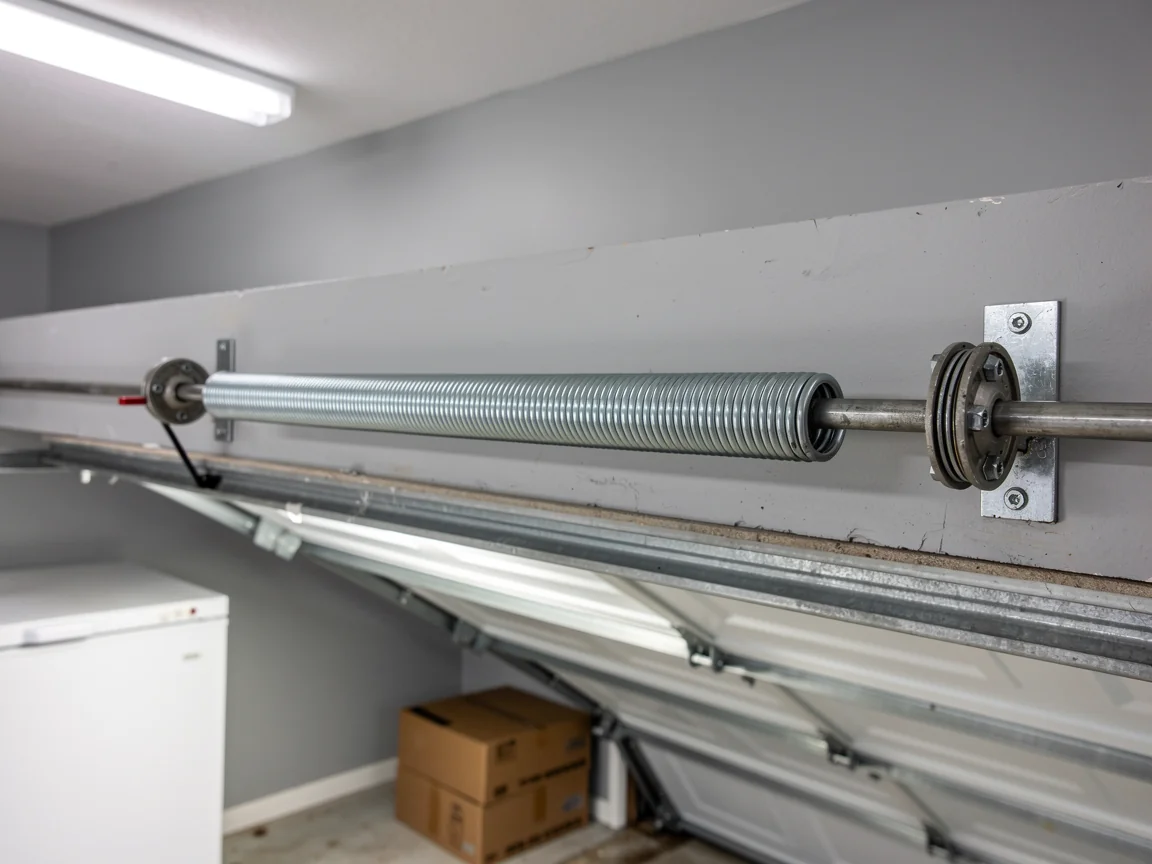
We carry torsion springs in the wire gauges and wind lengths that match the shaft sizes used across this housing stock, from the older 1938-1986 median-era builds through the 1980s-90s tract construction that makes up most of the service area. That range matters because older homes sometimes have non-standard shaft lengths that newer stock doesn't use, and showing up without the right spring means a second trip.
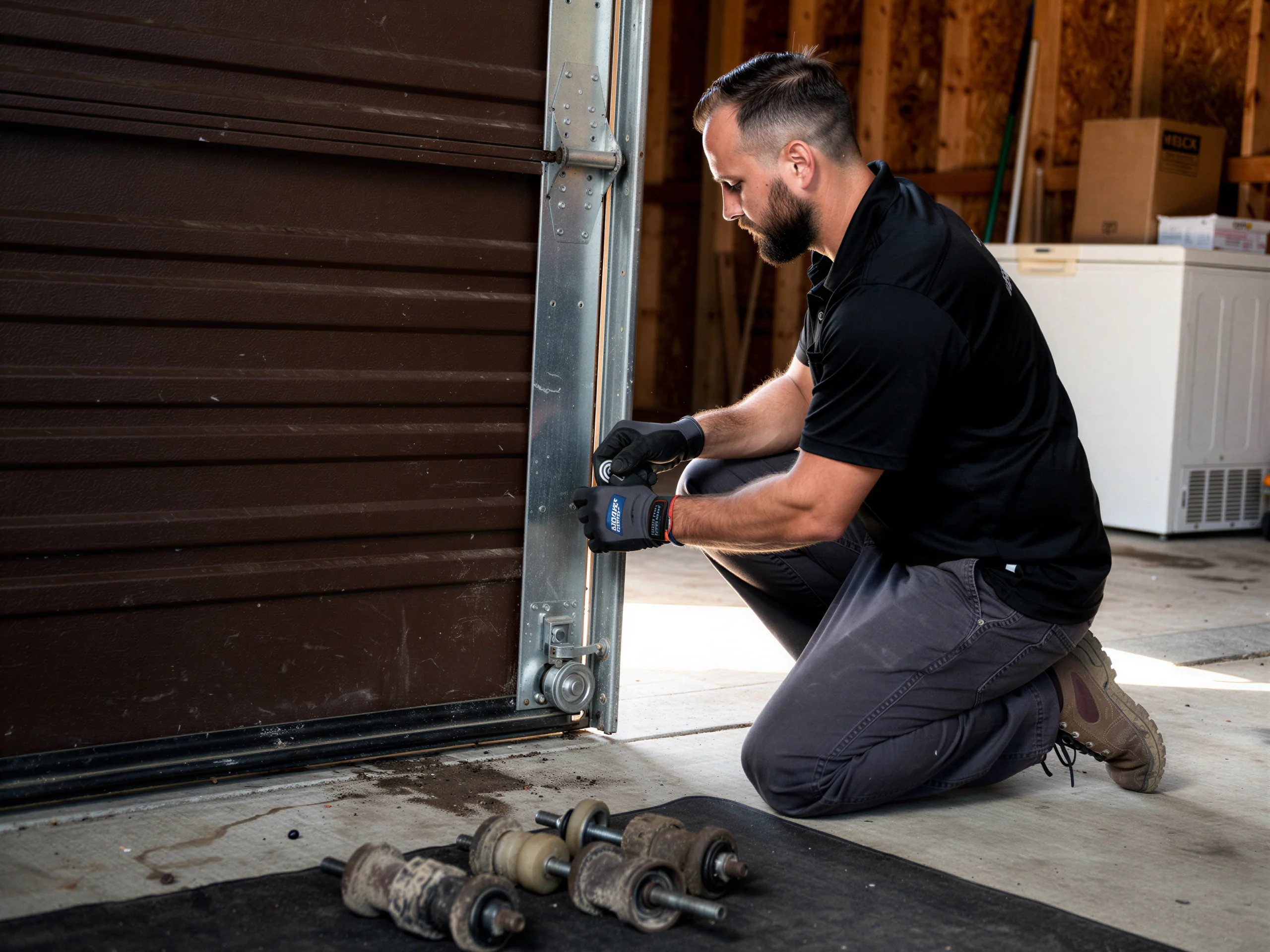
We also stock winding bars, shaft collars, center and end bearings, and cable drums, since a spring failure often takes a bearing or a cable with it on the way down. What we don't carry on the truck is every custom or oversized spring for a non-standard door opening - those sometimes need a day or two to order in, and we'll say so on site rather than force a mismatched part onto your door.
What You Are Seeing
The usual sign is a door that won't lift, or an opener that strains, clicks, and drops the door back down after a foot or two.
Loud bang from spring
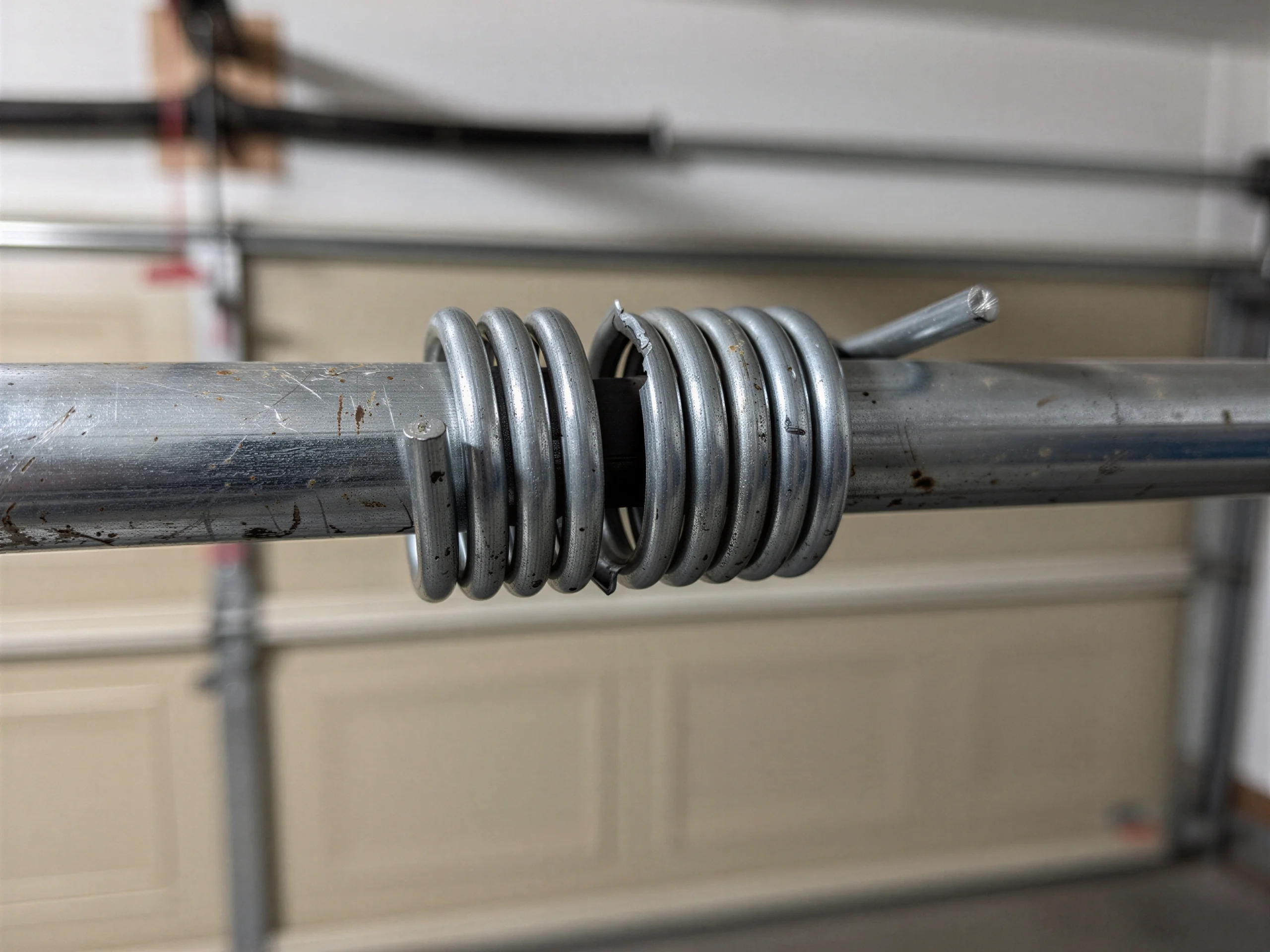
Sometimes it's a loud bang from the garage, which is the spring itself letting go, not the opener failing. You might also notice the door feels heavy when you try to lift it by hand with the opener disconnected, or that one side of the door sags while the other stays level, which points to one spring holding while the other has already gone.
Opener symptoms from springs
A door that reverses itself halfway open, or an opener motor that runs but the door barely moves, is almost always a spring problem, not a logic board or sensor issue, even though homeowners often assume the opener itself is broken first.
Why This Fails Locally
Springs wear on cycle count, but cold makes the wear worse, and this area sits in a severe cold climate band. Steel contracts in low temperatures, and a spring that's already near the end of its life is more likely to snap on a sub-freezing morning than a mild one. We see a noticeable jump in spring-failure calls through the coldest stretch of winter for exactly this reason.
Housing age plays into it too. With homes across the service area built between 1938 and 2015 and a median year of 1986, a large share of doors are now old enough that original springs have simply reached the end of their rated cycle life, regardless of use. The 1980s-90s tract-built stock that makes up most of the 13 named areas we cover tends to share the same door hardware from that era, which means when one spring fails in a neighborhood built in that window, it's rarely an isolated case - it's the hardware aging out across a whole block at once.
Talk to a local pro
Garage door service in Leesburg?
Same-day service with honest, upfront quotes.