Where This Job Goes Sideways
Leesburg's own housing stock spans 1938 to 2015, with the median landing around 1986 - a long tail that includes a lot of older doors on original hardware.
Income tops area median
Great Falls sits close to that median at 1985, but the houses behind that number are different animals. Household income here runs near $250,001, well above the roughly $176,841 median across the wider service area, and that shows up in the doors themselves: heavier insulated steel panels, wider two-car sections, and factory rollers that were often upgraded nylon from the start rather than bare steel.
Nylon rollers seize quietly
That matters because nylon rollers fail differently than steel ones. Steel rollers wear loud and slow - you hear the grind for months before anything breaks. Sealed nylon rollers tend to go quiet and then seize or crack a stem without much warning, usually on a door that's been opened and closed a lot because it's wide and heavy.
Bottom roller twist
On a 1985-era Great Falls door with a double-car opening, that failure point is almost always the bottom roller on the side that takes the most twist when the door isn't perfectly square to the track. Cold snaps make the stems brittle faster, and this area sits in the same severe-cold climate band as the rest of the service territory, so winter is when these calls come in.
Getting It Booked In
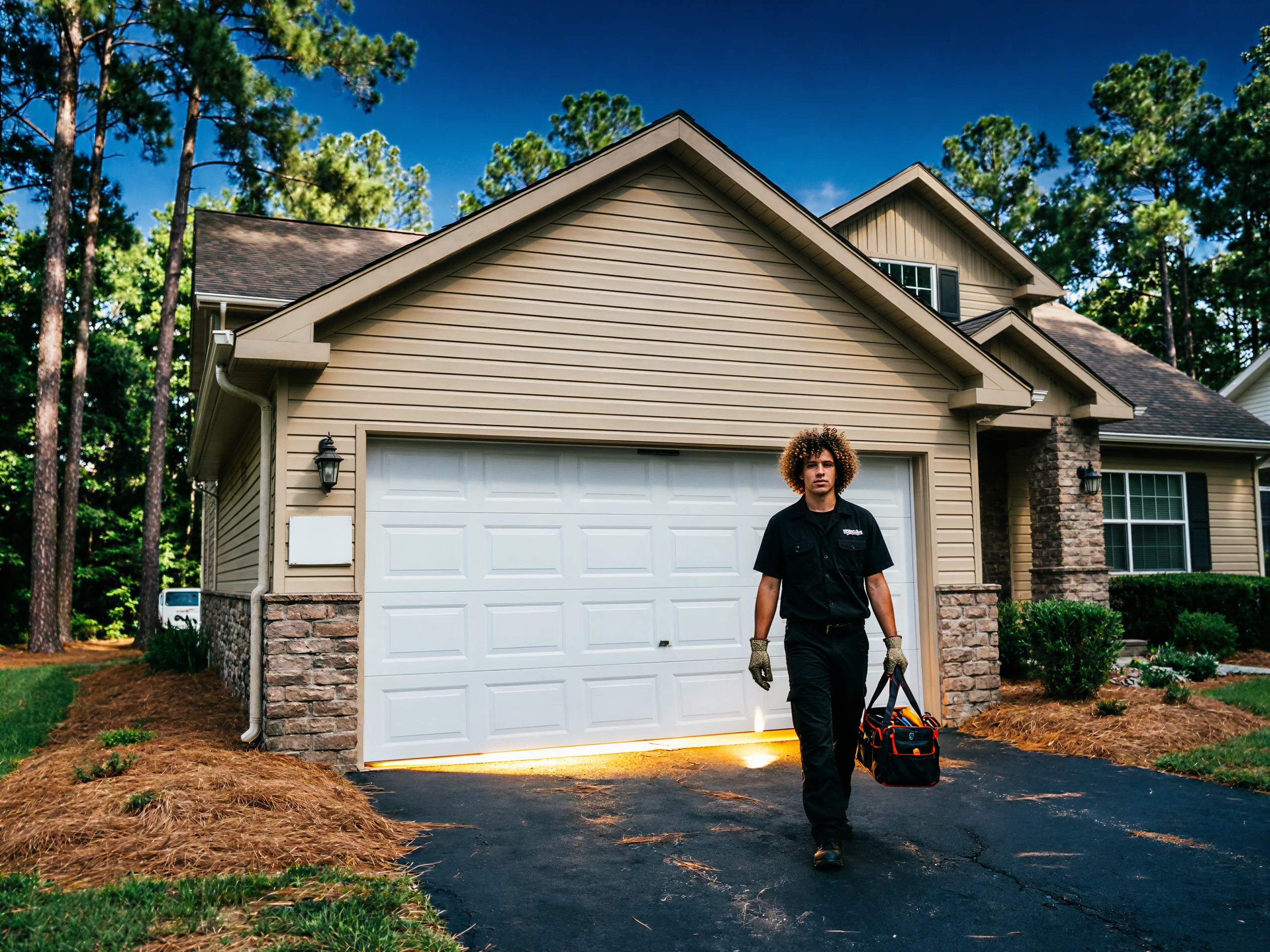
We run out of Leesburg, and Great Falls is about 15 miles out - one of the longer legs on our map, on par with the drive to Bull Run or Wolf Trap. That distance doesn't change the work once we're on site, but it does change how we schedule it. We batch Great Falls calls where we can, so if you're not dealing with a door that's stuck open or grinding to a stop, telling us that up front helps us slot you in with another job on the same run instead of sending a truck out solo.
If the door won't close, say so when you call - that moves ahead of routine roller swaps regardless of drive time. For anything else, give us a rough sense of how the door's been sounding and whether it's one roller or several; that's often enough for us to bring the right part the first trip instead of a second one.
Can You Do This Yourself
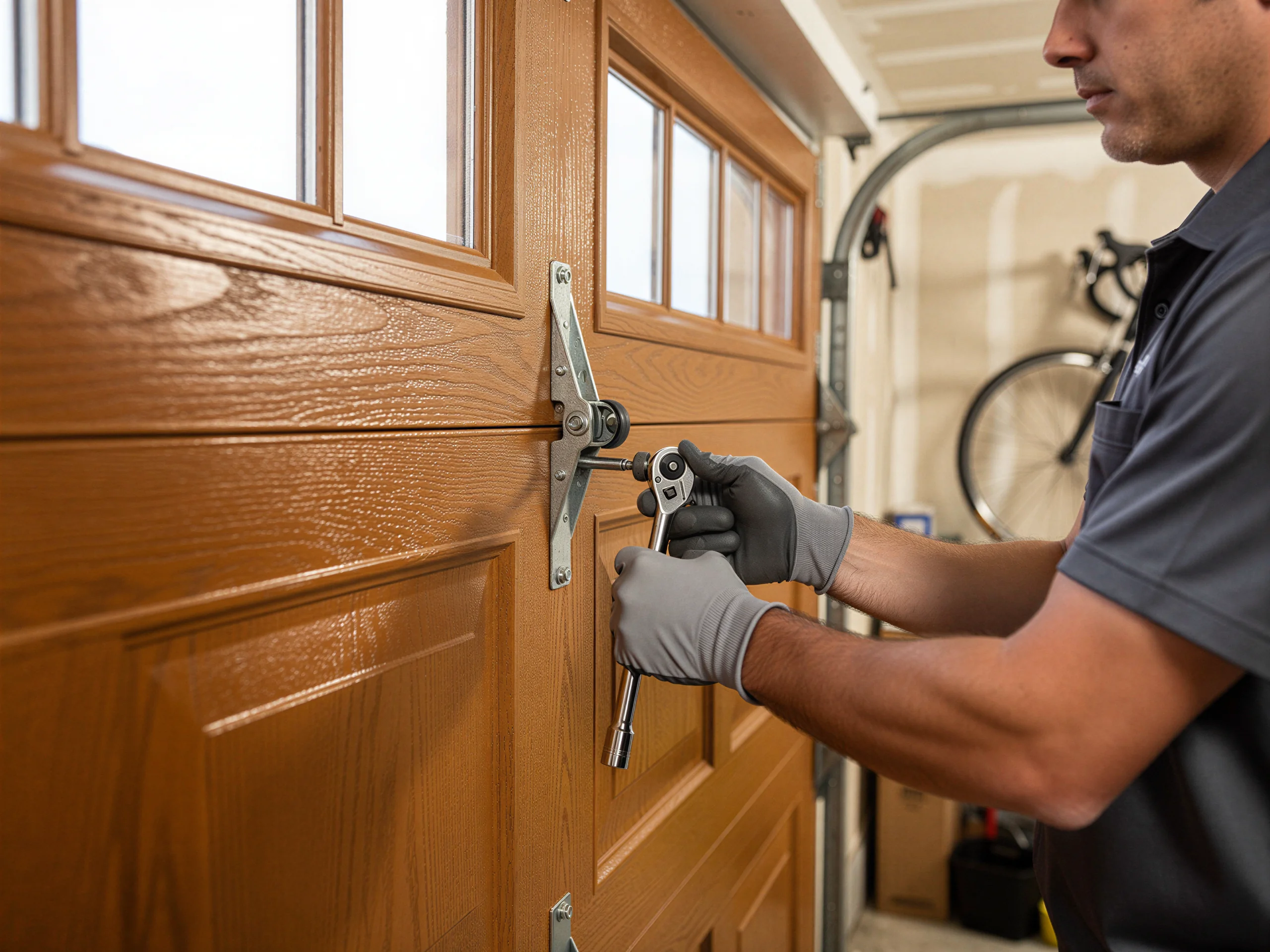
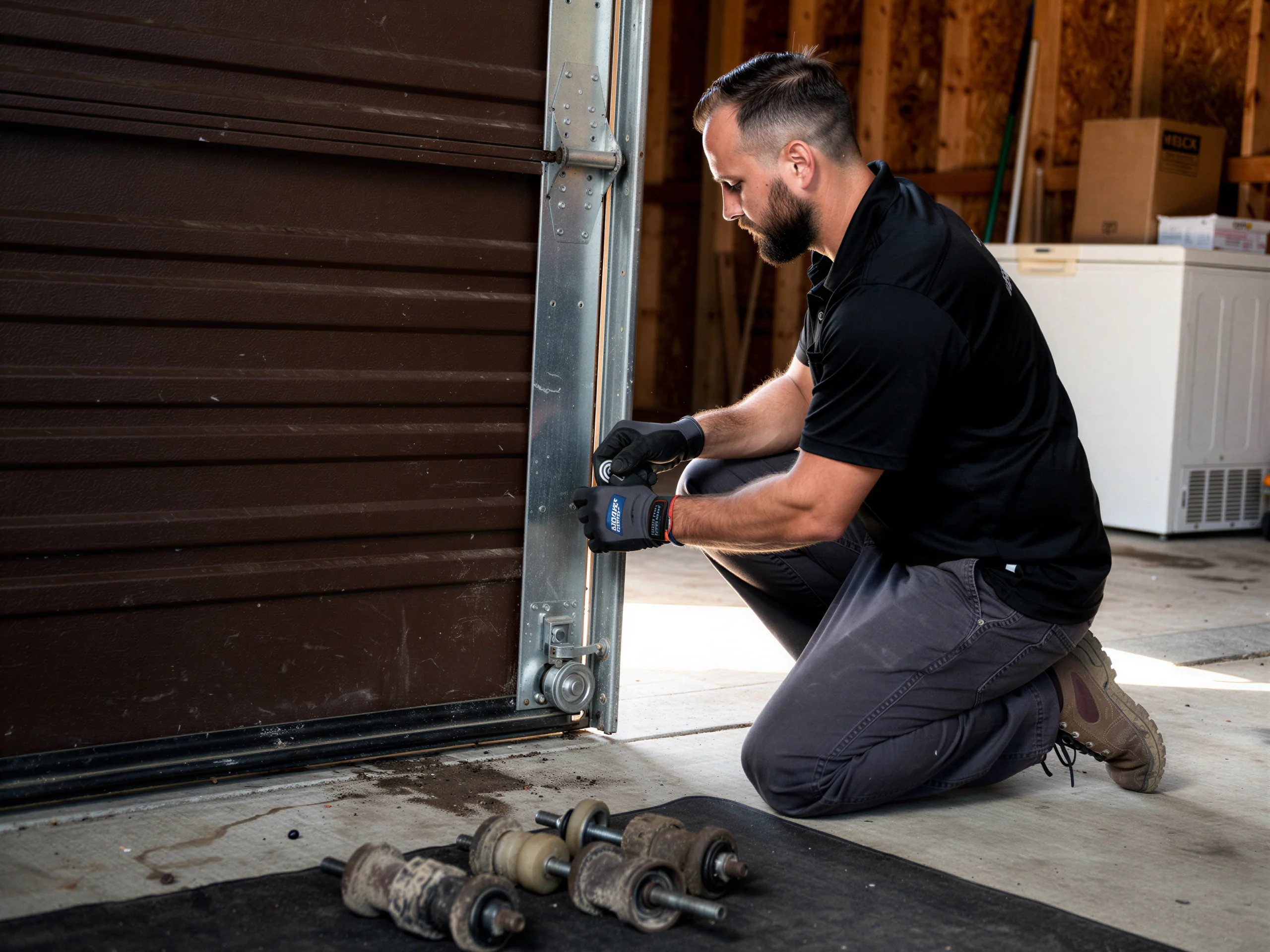
A single roller on a side you can reach safely, with the door down and the opener unplugged, is within reach for a lot of homeowners - it's a few bolts and a bracket, not the spring.
Bottom roller under tension
Where people get hurt is pulling the bottom roller on a door that's still under spring tension, or working on a track section bent enough that the roller's been binding for weeks.
Hand-bending track worsens
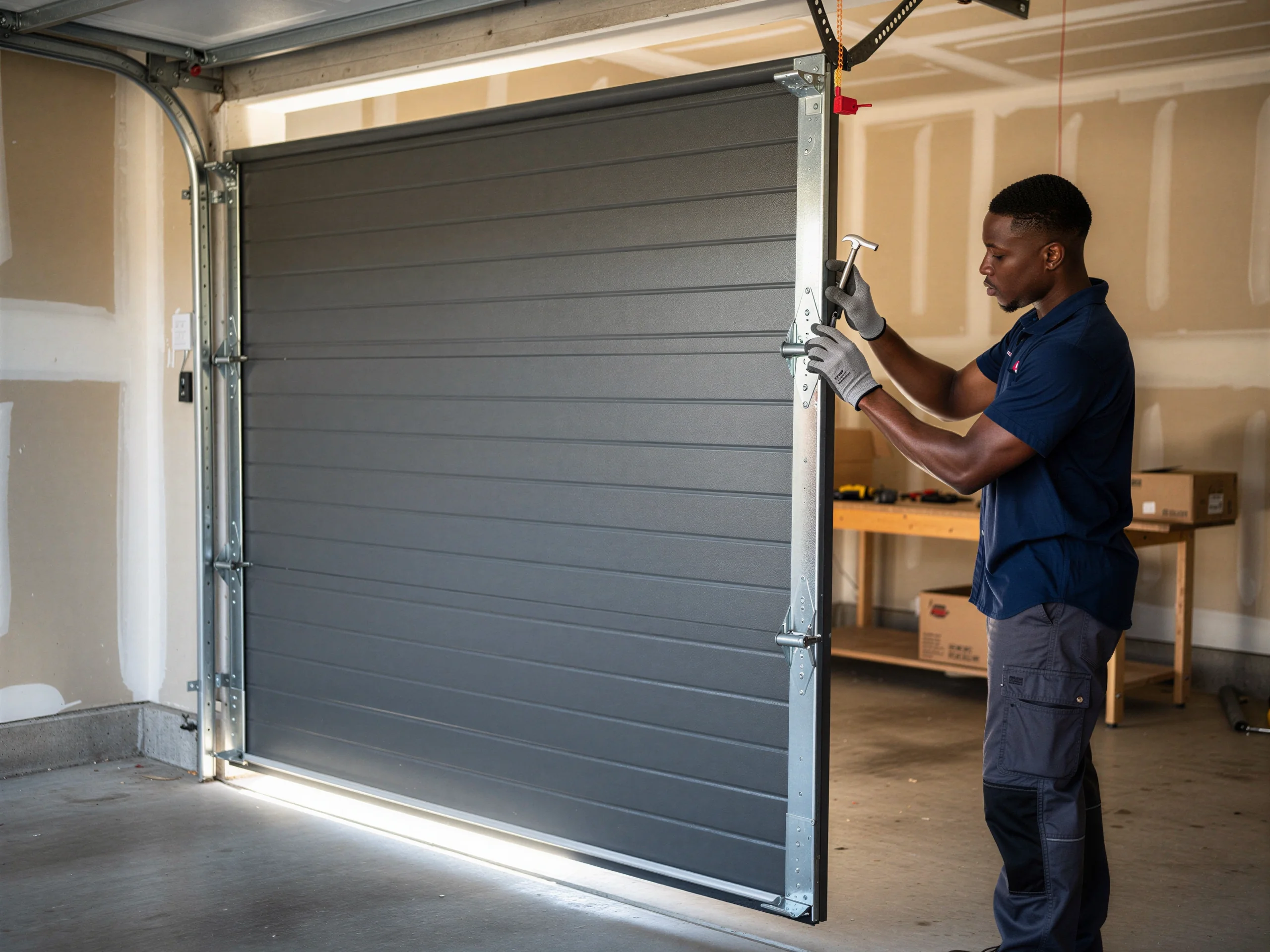
If a roller's worn enough to need replacing, the track near it is worth a look too, and bending it back by hand usually makes it worse, not better.
Multiple bad rollers
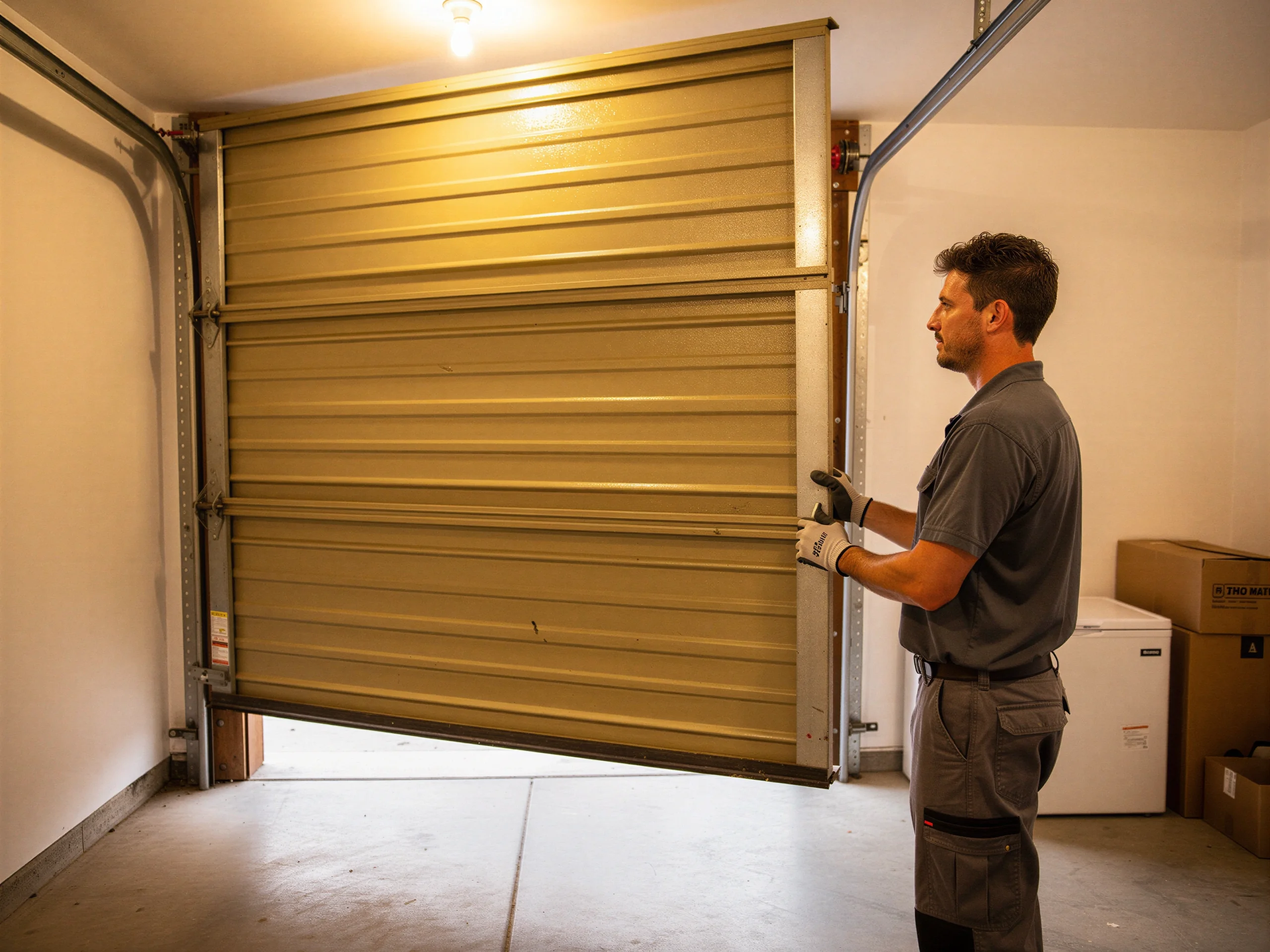
We'll say the honest thing here: if more than two or three rollers on one door are shot, or if the bracket they ride in is bent, swapping rollers one at a time is a losing game. At that point you're better off doing the whole set in one visit rather than paying for a truck trip every time the next one fails.
How Long It Takes
A straightforward roller swap - one to three rollers, no bent track, no spring work needed - is usually under an hour once the truck's on site. A full-set replacement on a wider double door, which is common on the 1985-era builds out this way, runs longer because every bracket gets pulled and checked, not just the roller. If the track's bent from a roller that failed a while ago, that adds time we can't quote until we see it in person.
Given the 15-mile drive from Leesburg, the time on site is rarely the bottleneck - getting a slot on the schedule that matches your situation is. We don't carry a Great Falls-based crew, so same-day isn't something we promise here; we'll give you a straight answer on timing when you call rather than a guess.
Talk to a local pro
Garage door service in Leesburg?
Same-day service with honest, upfront quotes.