What the Fix Involves
Leesburg's housing stretches back toward the late 1930s in pockets, but Purcellville's median build year sits around 1999 - a full house-generation newer. That matters more than it sounds like it should.
Stamped steel roller contrast
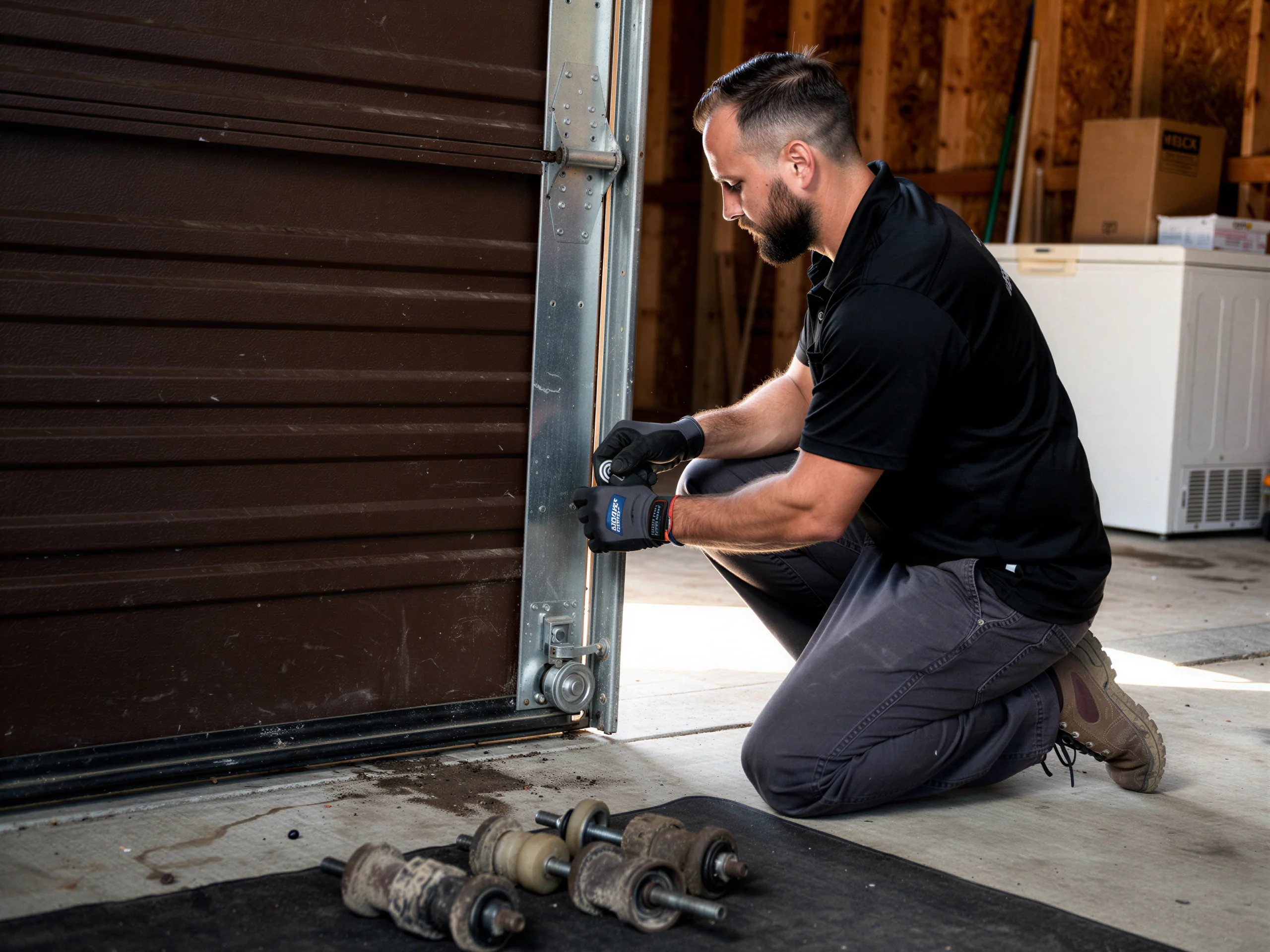
A door installed in 1999 is past its factory torsion spring's rated cycle count, but it's also past the point where builders used the cheap stamped-steel rollers common in the 1980s stock we see elsewhere in the service area.
Opener is usual failure
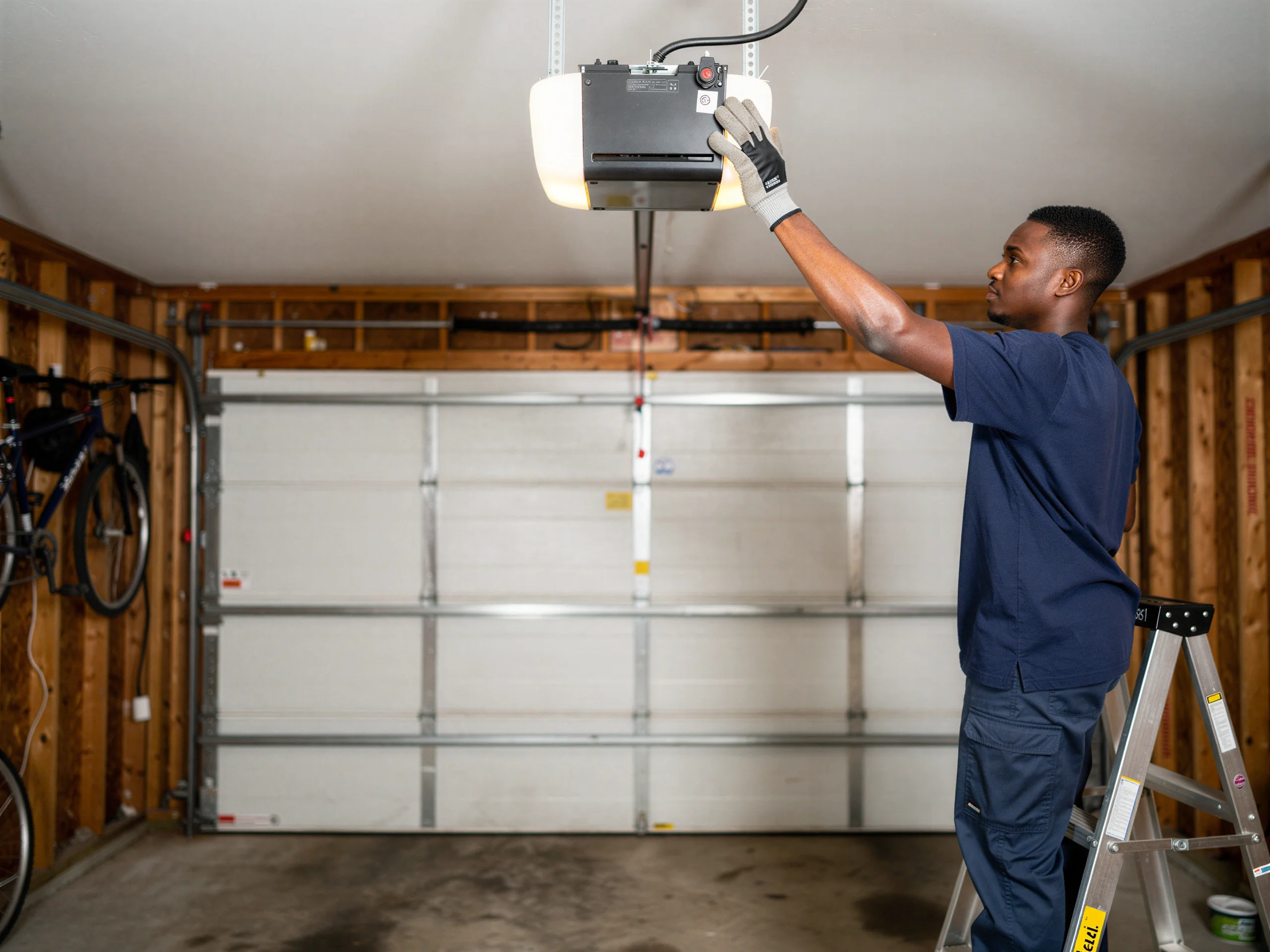
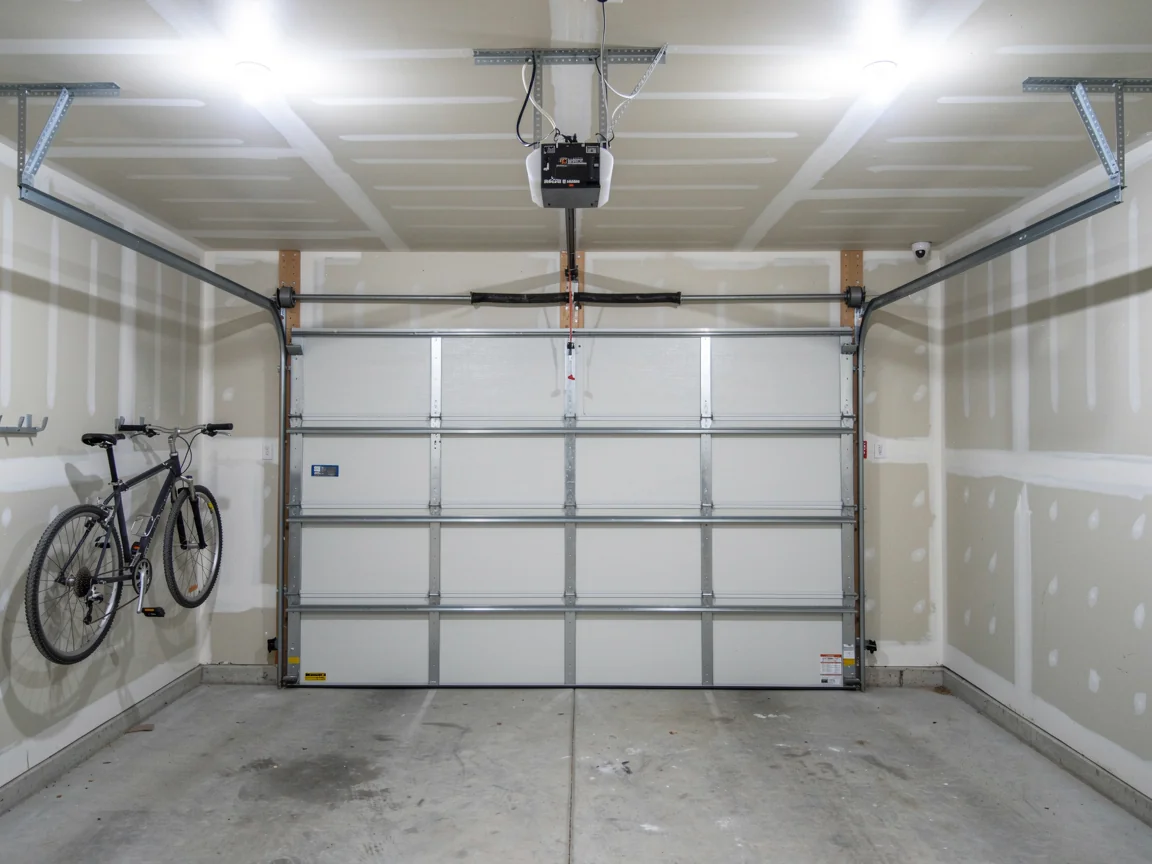
What we're usually pulling out here is a late-90s steel door on a standard-lift torsion system, with the opener itself being the failure point more often than the door or spring. Chain-drive openers from that era are at the end of their life now, and the circuit boards in them aren't something we stock on the truck - they're special order.
Spring, board, track order
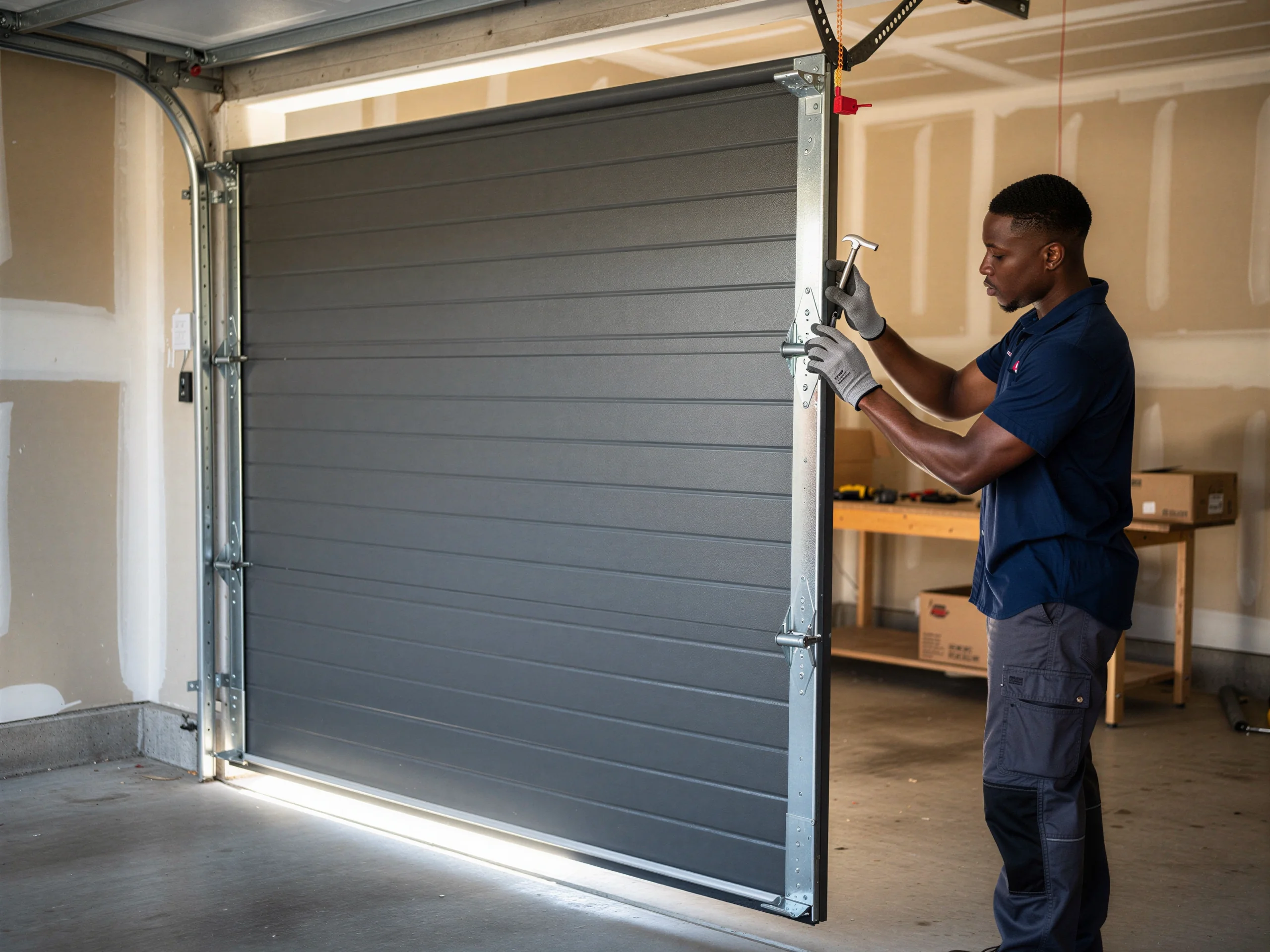
We check the spring first, then the opener logic board, then the track alignment, in that order, because that's the order these jobs actually fail in on houses this age. If the door is original to a 1999 build and the track brackets have pulled from the jamb, that's a wood-frame settling issue, not a hardware issue, and no amount of lubricant fixes it.
Where This Job Goes Sideways
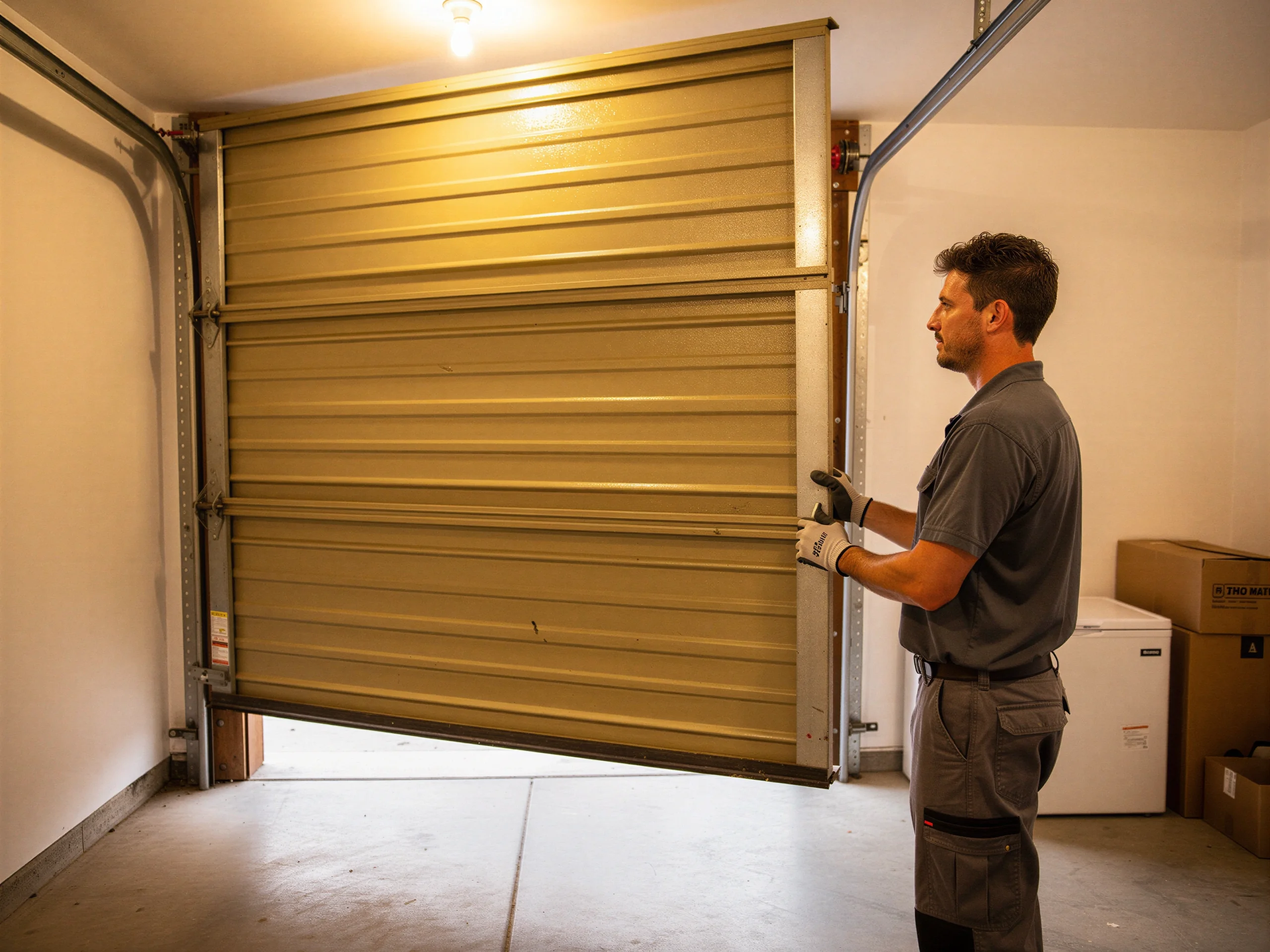
The mistake we see most on Purcellville calls is someone replacing a dead opener without checking whether the door itself is still sound. On a house this age, the door panels are usually fine - it's the opener motor or the logic board that's given out - but a bad opener install on a door with a slightly bent track will burn out the new motor inside a year.
Wrong gauge DIY swaps
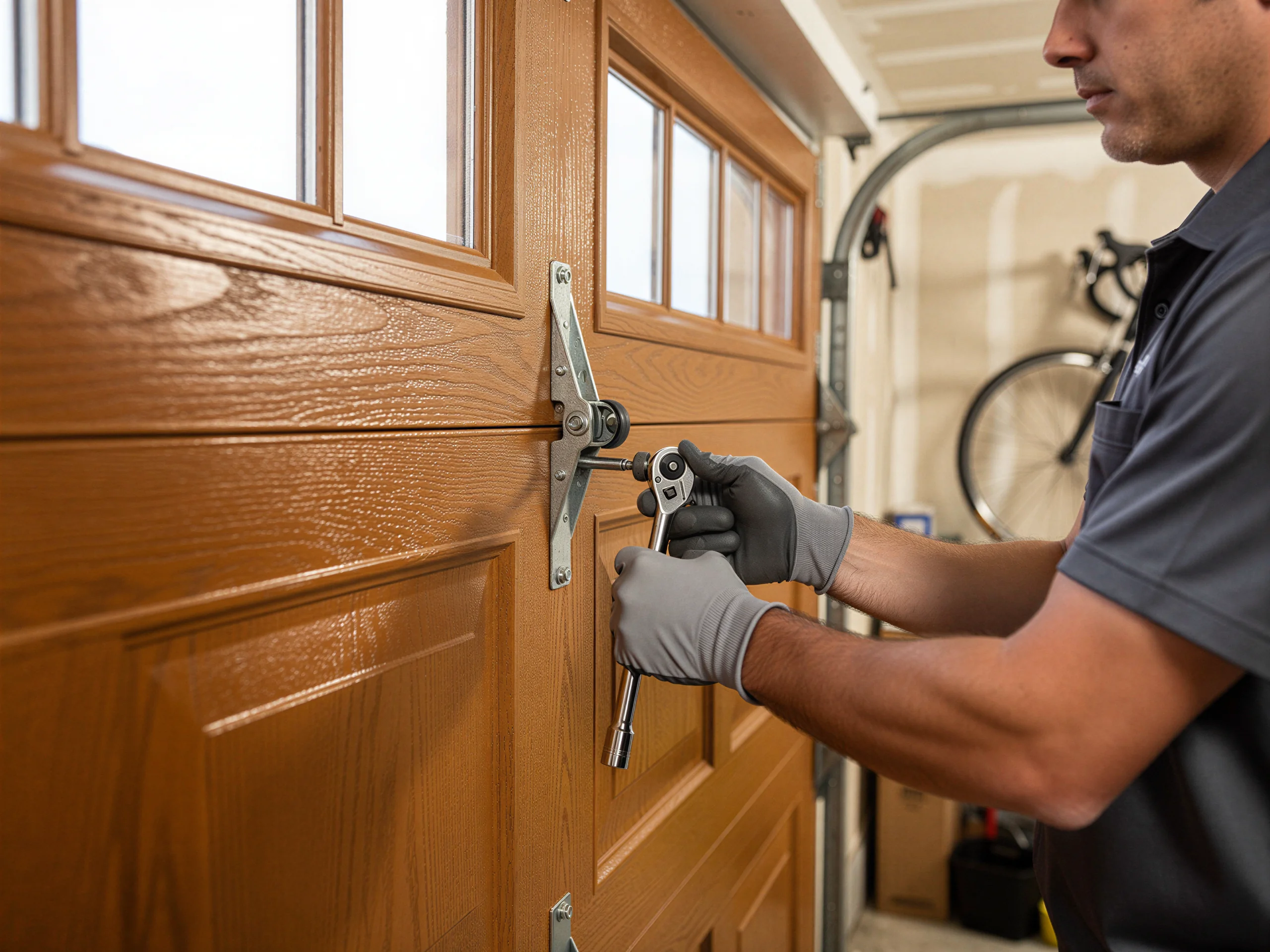
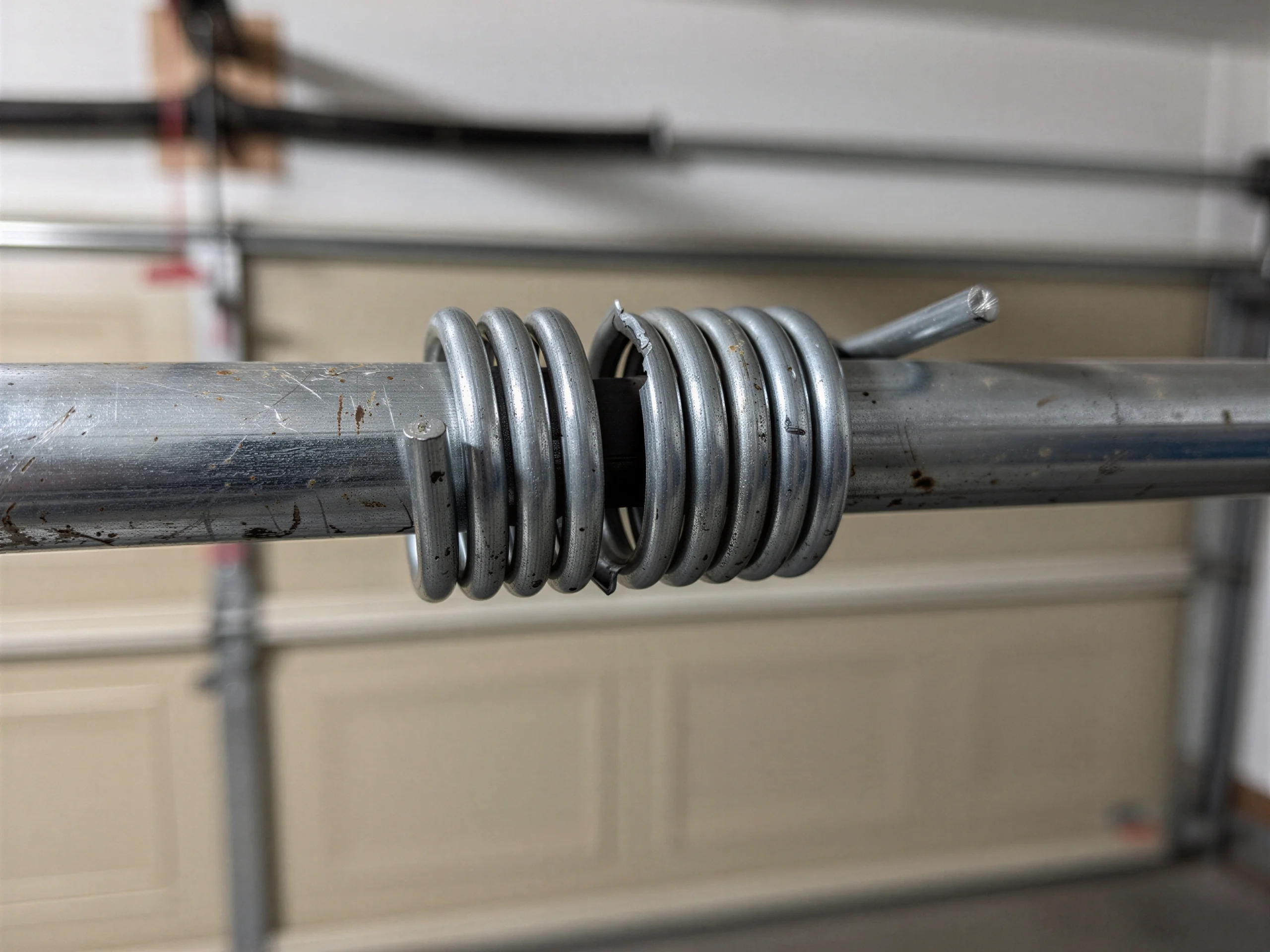
We also get calls where a DIY spring swap used the wrong wire gauge, because torsion spring sizing isn't universal and a spring that's close but not exact will either strip out fast or won't lift the door evenly.
Weak motors fail first cold
Winters in this part of Virginia run cold enough that steel contracts and grease stiffens, which is hard on an opener motor that's already weak - so a marginal opener tends to fail on the first real cold stretch, not gradually.
Cold-only binding
If your door is binding only on cold mornings and freeing up by afternoon, that's the track and rollers, not the spring, and it's worth saying so before anyone swaps a spring that didn't need swapping.
What It Costs
We don't post a flat number here because what a Purcellville call runs depends on whether it's a spring, an opener board, or a track realignment, and those three jobs have different parts costs. What we can tell you: this area's household income runs higher than some of the other suburbs we cover, and the newer housing stock here means fewer surprise repairs tied to original 1960s-era hardware - most of what we replace is a direct, in-kind swap rather than a retrofit. The honest limitation is that if your opener board is a discontinued model from a builder-grade 1990s install, we may need to order the part rather than carry it on the truck, and that adds a day or two versus a same-visit fix. We'll tell you on site, before we start, whether it's a same-visit repair or an order-and-return.
Getting It Booked In
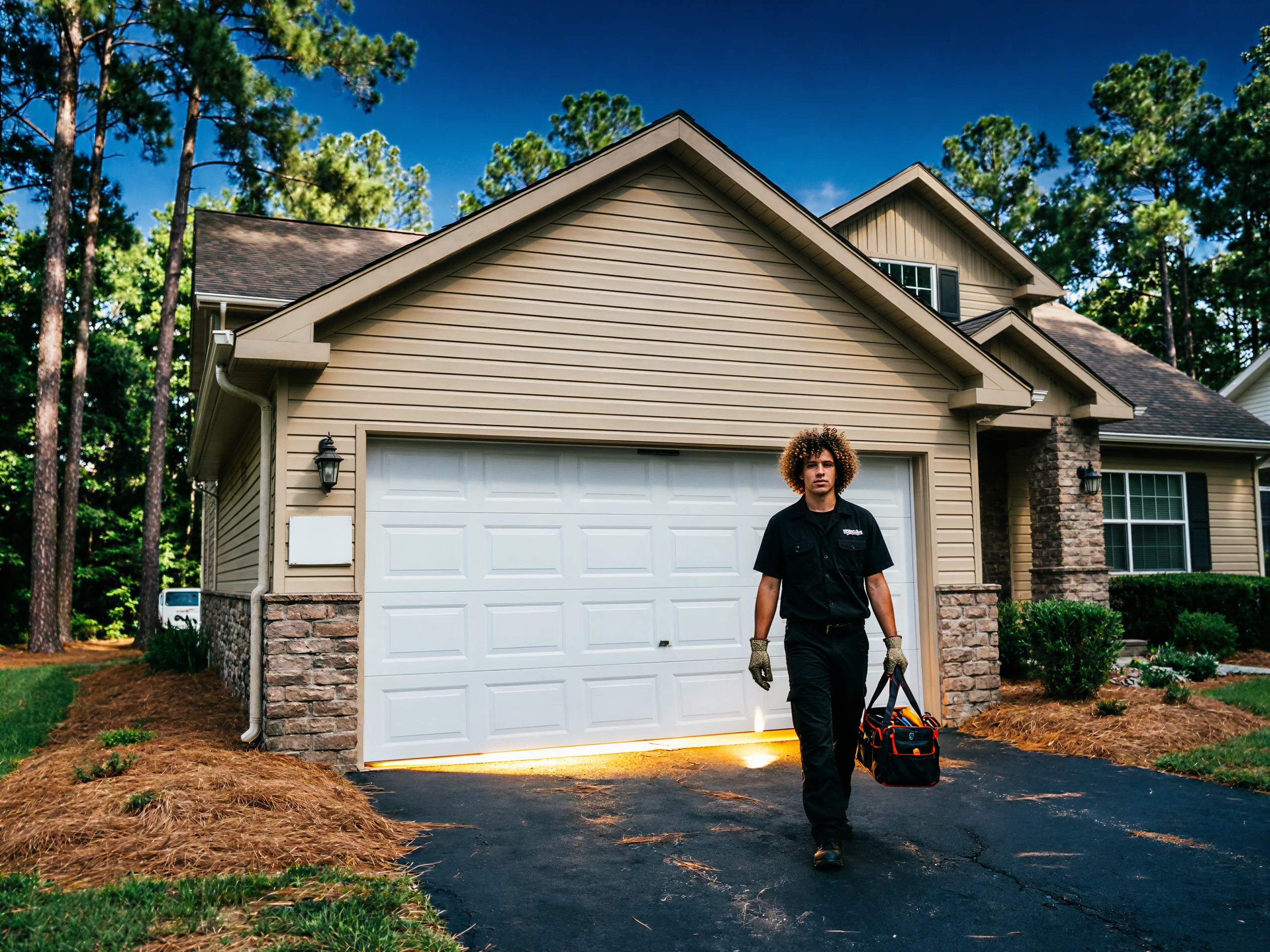
We run this call out of Leesburg, about 8 miles from Purcellville, so there's no local branch to route through - just a truck making the drive. That's worth knowing if timing matters to you: we're not sitting a mile away, we're coming from town. Tell us the age of the house and what the door is doing (won't open, opens unevenly, grinding noise, won't close all the way) and we can usually tell you over the phone whether it's a spring, a sensor, or an opener issue before the truck even leaves. See our Purcellville garage door service page for what we cover here, or the Leesburg service page for the full area.
Talk to a local pro
Garage door service in Leesburg?
Same-day service with honest, upfront quotes.